App Logo

Download Our App

Shop your way

logologo
Image

Antioxidants

10/23/2025By: ICN
Antioxidants

Types of natural antioxidants

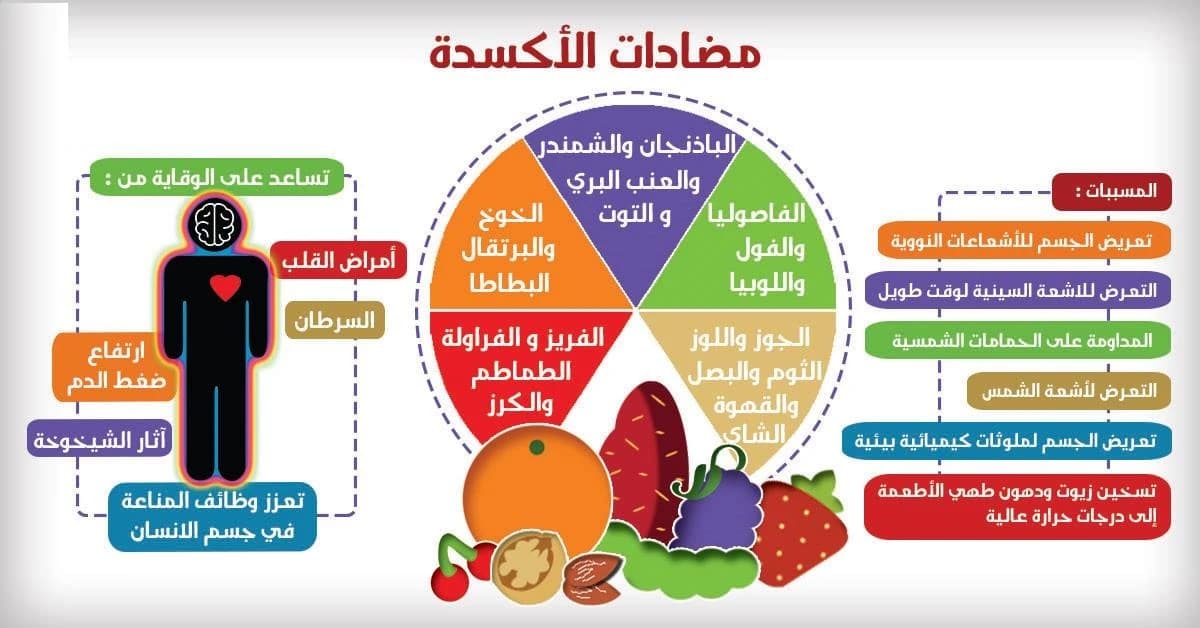
A. Antioxidant Vitamins (Vitamin C and E) Antioxidants play an important role in protecting the body from damage caused by free radicals. Vitamin C and E are essential vitamins that help boost the body's immunity and improve skin health. These vitamins are also useful in reducing the risk of chronic diseases. for. Antioxidant Minerals (Selenium and Zinc) In addition to vitamins, there are minerals such as selenium and zinc that are also powerful antioxidants. These minerals help support normal body functions and promote overall health. It plays an important role in improving immune system functions and protecting against cell damage.

Food sources of antioxidants

A. Colorful fruits and vegetables Colorful fruits and vegetables are rich sources of antioxidants. Such as berries, cherries, spinach, and carrots, which contain natural compounds that enhance body health and contribute to fighting free radicals. for. Nuts and seeds Nuts and seeds, such as walnuts, almonds and chia seeds, are excellent sources of antioxidants. These foods contain healthy fats and fiber, as well as vitamins and minerals that promote overall health and improve body functions. Introducing these substances into the diet can greatly contribute to enhancing natural antioxidants.

Benefits of antioxidants for the body

A. Protecting cells from damage Antioxidants help protect the body's cells from damage caused by free radicals, which contributes to reducing the risk of chronic diseases. This protection is important to make the body more able to resist various health challenges. for. Supporting heart health and the immune system Antioxidants improve heart health by reducing inflammation and oxidation in the body. In addition, these substances enhance the efficiency of the immune system, helping the body fight infections more effectively. Adopting a diet rich in antioxidants can have a long-term positive impact on overall health.

Antioxidants and chronic diseases

A. Preventing heart disease Studies show that taking antioxidants regularly helps reduce the risk of heart disease. It contributes to reducing harmful cholesterol levels and reducing inflammation, which improves blood flow and enhances blood vessel health. for. Fighting cancer Antioxidants play an important role in preventing cancer by fighting free radicals that can cause DNA damage. Research suggests that fruits and vegetables rich in antioxidants may reduce the risk of certain types of cancer and contribute to a strengthened immune system.

Antioxidant supplements and their use

A. Benefits and Risks Antioxidant supplements provide potential benefits such as improving overall health and reducing the risk of chronic disease. However, some risks can arise if taken in high doses or for long periods, as they may lead to negative interactions with other medications or negatively affect the body. for. Tips for safe use: It is recommended to consult a doctor before starting to take antioxidant supplements, especially for people who suffer from medical conditions or are taking medications. Focus should also be placed on obtaining antioxidants from natural food sources such as fruits and vegetables, as they provide other additional benefits.


* All articles published on this blog are sourced from various websites and are provided for informational purposes only. They should not be considered as confirmed studies or accurate information. Please verify the information independently before relying on it.

Similar ARTICLES

Ferritin Low Signals You Should Notice
Ferritin is the body’s main storage form of iron. Think of it as the reserve tank that helps keep iron available for essential jobs such as making hemoglobin (the protein that carries oxygen in red blood cells), supporting energy production in cells, and maintaining normal immune function. When ferritin drops, the body may still keep hemoglobin in the normal range for a while, which means you can feel unwell even before classic iron-deficiency anemia appears. Low ferritin is common in people with higher iron needs or lower intake and absorption. This includes menstruating women, people who follow restrictive diets, endurance athletes, and anyone with ongoing blood loss or digestive issues that reduce iron absorption. Because ferritin reflects iron stores, it is often the earliest lab marker to fall. Recognizing the practical signs early helps you address the cause before fatigue and performance issues become persistent.
Magnesium Timing for Sleep and Training
Magnesium is often discussed as a single “take it or don’t” supplement, but timing can change how people experience it day to day. The same dose may feel calming at night yet slightly disruptive if it causes stomach upset during a busy morning. Timing also interacts with what you eat, how hard you train, and whether you use other supplements that compete for absorption. This article focuses on practical scheduling rather than hype: when magnesium is most likely to support sleep quality, muscle function, and recovery without creating avoidable side effects. Magnesium’s roles are broad: it supports normal muscle contraction and relaxation, nerve signaling, and energy metabolism. Those functions are relevant both during training and during sleep, when the body is shifting into repair and restoration. But the body does not “use” magnesium in a single moment; it is a nutrient that contributes to ongoing processes. That is why timing is mostly about tolerability, consistency, and avoiding conflicts with other nutrients or medications. For many readers, the best schedule is the one they can follow for weeks, not the one that sounds perfect on paper.
Magnesium Done Right for Busy Adults
Magnesium is one of the most talked-about minerals because it sits at the center of everyday functions that people notice when they slip: steady energy, normal muscle function, and a calm, consistent sleep routine. It supports hundreds of enzymatic reactions involved in turning food into usable energy, maintaining normal nerve signaling, and helping muscles relax after they contract. That combination makes it relevant to office workers, parents, students, and anyone juggling long days. Modern routines can quietly push magnesium intake down. Many people rely on refined grains, fast meals, and low-vegetable patterns that contain less magnesium than diets built around legumes, nuts, seeds, and leafy greens. At the same time, heavy sweating during exercise, high coffee intake, and periods of stress can increase interest in magnesium because people associate it with cramps, restlessness, or trouble winding down. The key is to treat magnesium as a practical nutrition topic, not a trend: understand what it does, where to get it, and how to use supplements carefully if needed. This article focuses on realistic decisions: how to spot common diet gaps, which foods deliver meaningful amounts, what different supplement forms mean on a label, and how to build a simple plan that fits a busy schedule without overcomplicating your routine.
Supplements You Shouldn’t Take on Empty Stomach
Many supplements are marketed as simple add-ons, but the timing of a dose can change how well it’s absorbed and how your stomach reacts. An empty stomach can mean faster exposure of the stomach lining to concentrated ingredients, which may trigger nausea, cramping, reflux, or a metallic taste. It can also reduce absorption for nutrients that need dietary fat or a more acidic environment created by a meal. A practical rule is to match the supplement to what it needs: fat-soluble nutrients generally do better with food that contains some fat, while minerals can compete with each other and with compounds in coffee or tea. If you take multiple products, spacing them out can be as important as the dose itself. The guidance below focuses on six common supplements that are frequently better tolerated and, in many cases, better absorbed when taken with food.
Magnesium Done Right for Everyday Energy
Magnesium is involved in hundreds of enzyme-driven processes, which is why it shows up in so many everyday health conversations. It helps convert food into usable energy, supports normal muscle contraction and relaxation, and contributes to steady nerve signaling. It also plays a role in maintaining normal heart rhythm and supporting bone structure alongside calcium and vitamin D. Because these functions overlap with common complaints like fatigue, muscle tightness, and sleep quality, magnesium often becomes a “suspect nutrient” when people feel off. What makes magnesium tricky is that symptoms are not specific. Feeling tired could relate to sleep habits, hydration, iron status, stress load, or training volume, not just magnesium. At the same time, modern diets can be low in magnesium-rich foods, especially when meals rely heavily on refined grains, sugary snacks, and limited vegetables. This article focuses on practical, evidence-aligned ways to think about magnesium: where it comes from, who may need to pay closer attention, how to choose a supplement form if needed, and how to avoid common mistakes.
Magnesium Habits for Better Sleep and Energy
Magnesium is a core mineral for everyday function because it supports hundreds of enzyme-driven processes. It helps regulate muscle contraction and relaxation, contributes to normal nerve signaling, and plays a role in maintaining steady heart rhythm. It is also involved in energy production at the cellular level, which is why low intake can show up as general fatigue, reduced exercise tolerance, or a sense that recovery takes longer than usual. Many people focus on magnesium only when cramps appear, but its impact is broader. Sleep quality, stress response, and digestion can all be influenced by magnesium status. Modern diets can fall short when meals rely heavily on refined grains, low-vegetable patterns, or frequent eating out. On top of that, sweating during exercise, certain medications, and digestive conditions can increase the risk of inadequate levels. This article focuses on practical, evidence-informed habits to improve magnesium intake and use it wisely for sleep and daytime energy without turning it into a one-pill solution.
Magnesium Mistakes Most People Make
Magnesium is a core mineral used in hundreds of enzyme-driven processes, which is why small gaps in intake can show up as everyday problems rather than dramatic symptoms. It helps regulate muscle contraction and relaxation, supports normal nerve signaling, and plays a role in maintaining steady heart rhythm. Magnesium is also involved in energy production from food and in building and maintaining bone structure alongside calcium and vitamin D. Because the body does not produce magnesium, intake depends on diet and, for some people, supplements. Many adults do not consistently reach recommended intakes, especially when diets are low in legumes, nuts, seeds, and whole grains. Modern eating patterns that rely heavily on refined grains and ultra-processed foods tend to reduce magnesium density per calorie. Another factor is that magnesium is lost through sweat and urine, so needs can shift with activity level, heat exposure, and certain health conditions. The result is that people often look for quick fixes—usually a supplement—without first understanding what magnesium does and how to use it wisely.
Magnesium for Better Sleep and Recovery
Magnesium is involved in hundreds of enzymatic reactions that keep muscles, nerves, and energy production working normally. Yet many adults do not consistently reach recommended intakes because modern diets often rely on refined grains, limited legumes, and fewer magnesium-rich greens. The topic has gained attention because people commonly connect low magnesium intake with restless sleep, frequent muscle tightness, and slower recovery after exercise. This article focuses on practical, evidence-informed ways to use magnesium as part of a nutrition plan for sleep quality and physical recovery. It does not treat magnesium as a cure-all; instead, it explains where it fits among hydration, protein intake, training load, and stress management. The goal is to help readers choose foods and supplements wisely, understand realistic timelines, and avoid common mistakes such as taking excessive doses or ignoring interactions with medications.
Magnesium Habits for Better Sleep and Energy
Magnesium is a mineral involved in hundreds of enzyme-driven processes, yet it rarely gets the attention given to vitamin D or iron. One reason is that magnesium status is hard to judge from day-to-day symptoms. Mild shortfalls can look like general fatigue, restless sleep, muscle tightness after exercise, or difficulty winding down at night—issues many people blame on stress or busy schedules. Another reason is that modern eating patterns often reduce magnesium intake without people noticing. Highly refined grains, low vegetable intake, and frequent reliance on packaged snacks can push daily magnesium lower than expected. Magnesium is also “spread out” across the body. Most of it is stored in bones and inside cells, not floating in the bloodstream. That means a normal-looking blood test does not always reflect what is happening in tissues. For a practical blog approach, the goal is not to self-diagnose, but to understand where magnesium fits: it supports normal nerve signaling, muscle relaxation, and energy metabolism. When routines are built around magnesium-rich foods and smart supplementation choices when appropriate, many people report more stable energy and fewer nighttime disruptions. The key is to treat magnesium as a daily habit, not a quick fix.
Magnesium Made Practical for Everyday Health
Magnesium is involved in hundreds of enzymatic reactions that keep daily body functions running, including energy production, muscle contraction and relaxation, nerve signaling, and maintaining normal heart rhythm. It also supports bone structure because a meaningful portion of the body’s magnesium is stored in bone tissue. Despite its importance, many people do not consistently reach recommended intakes, often because modern diets rely heavily on refined grains and highly processed foods that contain less magnesium than whole foods. What makes magnesium a practical topic is that symptoms of low intake can be easy to misread. People may attribute fatigue, muscle tightness, restless sleep, or frequent headaches to stress or a busy schedule without considering nutrition. Magnesium status is also influenced by lifestyle factors such as high caffeine intake, heavy sweating, and certain medications that can increase losses. Rather than treating magnesium as a niche supplement trend, it is more useful to view it as a foundational mineral that can be improved through food choices and, when appropriate, targeted supplementation under professional guidance.
Magnesium Habits for Better Sleep and Energy
Magnesium is a core mineral your body uses every day to keep nerves, muscles, and metabolism working smoothly. It supports normal muscle relaxation, steady heart rhythm, and the way your cells produce energy from food. Because it is involved in hundreds of enzyme-driven reactions, small shortfalls can show up as practical, everyday issues rather than dramatic symptoms. People often connect magnesium only with cramps, but it also relates to sleep quality, stress response, and how “wired” or fatigued you feel across the day. Modern routines can make magnesium intake inconsistent. Many people eat fewer magnesium-rich staples such as legumes, nuts, seeds, and whole grains, and rely more on refined grains and ultra-processed snacks that contribute little. Heavy sweating, intense training blocks, and high caffeine intake can also coincide with lower magnesium status for some individuals. The goal is not to chase a single “magic” nutrient, but to understand how magnesium fits into a balanced vitamin-and-mineral plan that supports sleep, energy, and recovery.
Magnesium Made Practical for Busy Adults
Magnesium is a core mineral used in hundreds of enzyme-driven processes that keep everyday systems running, including energy production, muscle function, nerve signaling, and maintaining normal heart rhythm. It also helps regulate how the body handles calcium and vitamin D, which connects magnesium status to bone strength over time. Despite its importance, many adults fall short because modern diets often prioritize refined grains, ultra-processed snacks, and low-vegetable meals that contain less magnesium than whole foods. This topic is practical because magnesium issues rarely show up as a single obvious symptom. People may notice general fatigue, frequent muscle tightness after exercise, or difficulty winding down at night, but these can have many causes. A better approach is to understand where magnesium comes from, what increases needs, and how to make realistic adjustments without turning supplementation into guesswork. The goal is not to chase trends, but to build a simple routine that supports consistent intake.
Magnesium Mistakes That Sabotage Your Health
Magnesium is marketed as a simple fix for sleep, cramps, stress, and energy, but real-world use is often messy. Many people start supplements without checking diet, medications, or the specific form of magnesium they are buying. The result is predictable: stomach upset, no noticeable benefit, or a false sense that “magnesium doesn’t work.” In reality, magnesium is involved in muscle contraction, nerve signaling, blood sugar regulation, and bone health, but the body’s needs and absorption vary widely. The most common mistake is treating magnesium like a one-size-fits-all product. A person with frequent diarrhea, for example, may worsen symptoms with certain forms, while someone taking acid-reducing drugs may absorb minerals differently. Another frequent issue is timing: taking magnesium at random times, or alongside competing minerals, can reduce absorption. Understanding a few practical rules—how to choose a form, how to dose, and when to be cautious—usually matters more than buying the most expensive bottle.
By clicking the SUBSCRIBE button, you are agreeing to our Privacy & Cookie Policy If you want to unsubsribe the marketing email, please proceed to our privacy center.
© 2005-2026 ICN. All Rights Reserved.