Alexander the Great
- the introduction
- Facility and education
- Youth period
- The wars of the conquests
- Relationships with other cultures
the introduction
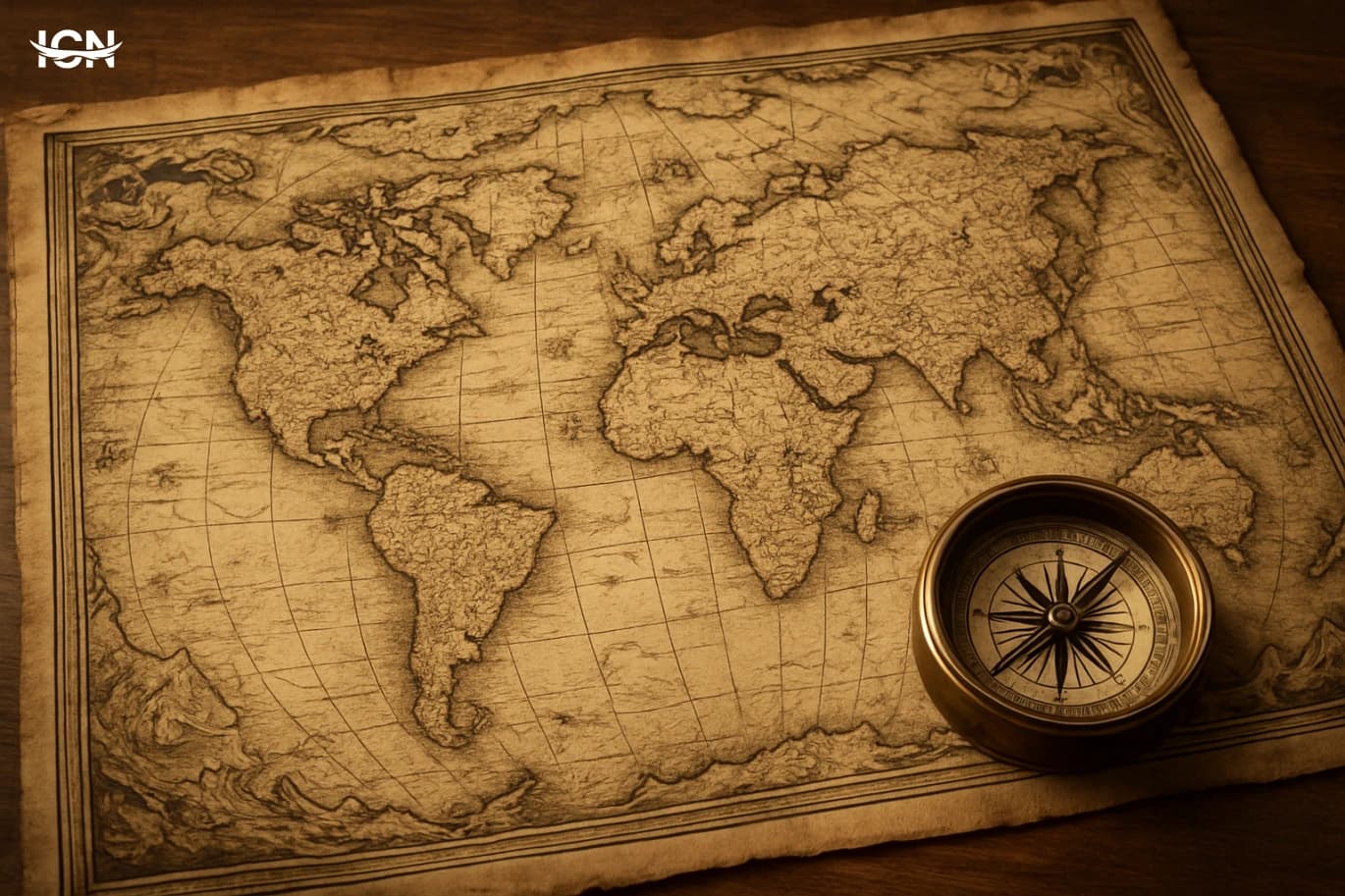
Alexander the Great's life was Alexander the Great one of the greatest military leaders in history. He was born in 356 BC in Macedonia, the son of King Philip II. Despite his young age, Alexander was able to expand his empire to become one of the strongest rulers of ancient times. He led his army in famous battles such as the Battle of Goghali, and achieved victories from Egypt to India, which greatly affected the map of the world at the time. The importance of his historical influence left Alexander's achievements a major impact on subsequent civilizations, as it contributed to spreading Greek culture and opening areas of cultural exchange between East and West.
Facility and education
His birth in Macedonia was born Alexander the Great in the countries of Macedonia, where he grew up in an environment full of challenges and aspirations. His youth was known for his curiosity and passion for knowledge, which made him receive a distinguished education. The influence of his father, the king in his life, was King Philip II, a strong figure in the life of Alexander, where he gave him support and guidance. He learned from him the arts of war and politics, which provided Alexander with leadership skills that contributed to his successes later. King Philip's influence on his son was essential, as he formed a solid basis for a great leader who appeared in history.
Youth period
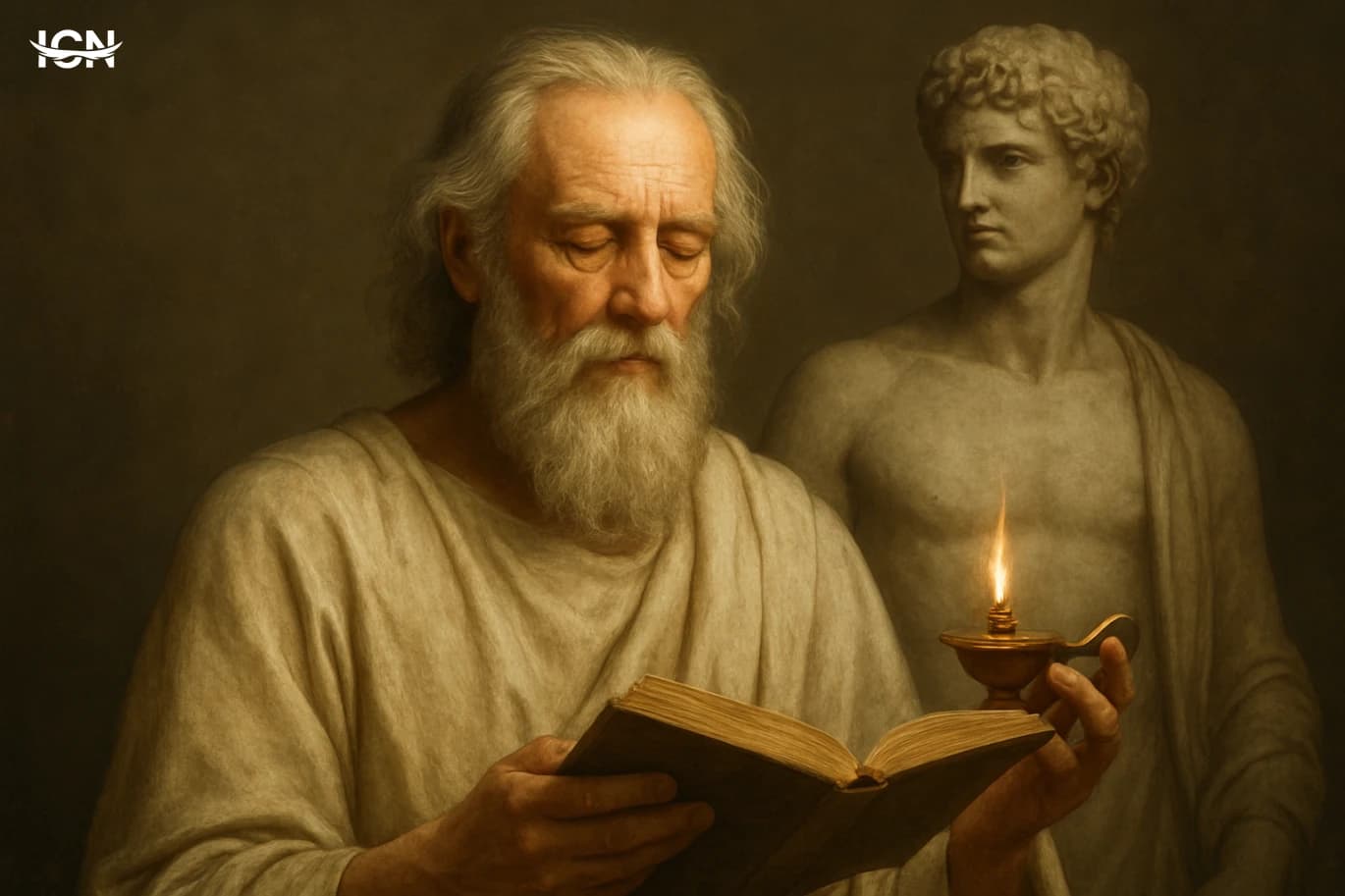
His education with Aristotle Alexander received his education at the hands of the philosopher Aristotle, who had a profound impact on the formation of his personality. Aristotle presented him with a wide range of knowledge in the fields of philosophy, science, and literature, which expanded the horizons of his thinking and made it able to evaluate the issues in a critical manner. This period was the cornerstone of Alexander's thought and future aspirations. He took over the throne and expanded his empire after the death of King Philip II, Alexander took over the throne and did not exceed twenty. He used his military and political knowledge to expand his empire quickly, annexing vast regions of the Greek world and the east, which made him one of the greatest leaders in ancient history.
The wars of the conquests
The conquests in Asia Minor, Alexander set out in his military campaign in Asia Minor, where he overcame many Persian armies in the Battle of Issos. He bravely led his soldiers, achieving remarkable victories, which increased his passion for expanding his influence. His leadership strategies and military skills were a major reason for his success in this campaign. They invaded Egypt and the Middle East after his victories in Asia, Alexander headed towards Egypt, where he was welcomed as a savior. He founded the famous city of Alexandria, which has become a beacon of science and culture. He continued to advance towards the Middle East, where he defeated the Persians in the Battle of Gjamilla, which contributed to uniting vast lands under his rule.
Relationships with other cultures
Its influence on Greek culture has had a prominent role in promoting Greek culture during his conquests. Where he spread the Greek language and arts in the areas he conquered, which helped form a common cultural identity among the various nations under his rule. Coexistence with Persian culture in addition, Alexander was known for his adoption of Persian culture and its appreciation. He married a Persian princess and integrated the Persian traditions into his administration, which contributed to creating a kind of cultural interaction between the Greeks and the Persians. This action helped to facilitate his rule on the various lands that he underwent.