App Logo

Download Our App

Shop your way

logologo
Image

Mother

01/21/2025By: ICN
Mother

Mother concept

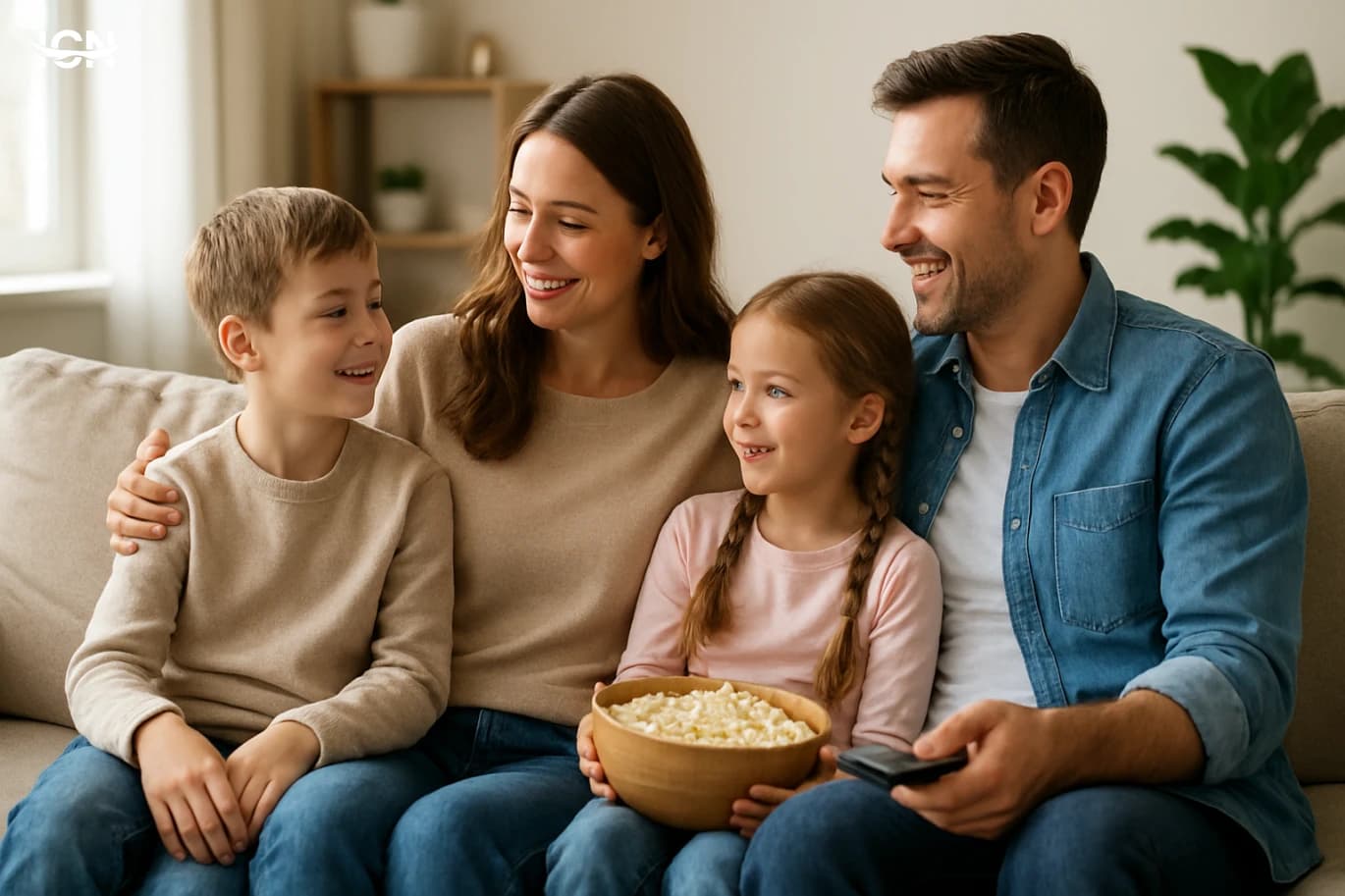
The Role of the Mother in the Family The mother is considered a fundamental pillar in the family, as she contributes to building the character of her children. She teaches them values ​​and morals, and helps them develop their social skills. The presence of the mother in the lives of the children enhances their sense of security and support. The love and care provided by the mother The mother is known for her superior ability to love and care. She is the safe haven to which the children return at all times. She instills unconditional love in them and is the role model that the children seek to emulate. Through her sacrifices and care, the mother works to shape the minds and hearts of her children.

The importance of motherhood

The mother's influence on the child's development The mother has a significant impact on the child's psychological and social development. Studies have shown that the emotional support provided by the mother helps children build self-confidence and independence skills. Her guidance and education also play a crucial role in shaping their children's behavior. Challenges facing mothers in the modern era Mothers face many challenges at the present time, such as professional pressures and the need to balance work and family. The escalation of assignments and social demands can lead to psychological stress. However, the mother remains able to deal with these pressures intelligently and wisely, which contributes to strengthening her role in society and the family.

Rulings and sayings about mother

Inspirational Quotes About Mother Many beautiful sayings have been said about mothers, such as "Mother is a school, if you prepare her, you prepare a people of good races", which reflects the great impact of mothers in shaping future generations. Every word said about mothers expresses their love and sacrifices, which are priceless. How to appreciate and acknowledge mothers Appreciating mothers requires children to acknowledge their sacrifices and needs. This can be done by spending time with them, giving simple gifts, or writing letters expressing love and gratitude. These behaviors show mothers how important they are in their children's lives, and encourage strengthening family ties.

Legal rights of the mother

Maternity Leave Rights A mother is entitled to paid maternity leave, a period of time during which she can care for her newborn. The length and rules of leave vary from country to country, but in general, this leave is considered a basic right that every mother should have during and after pregnancy. The role of law in protecting mothers’ rights The law contributes to protecting mothers’ rights by ensuring a suitable work environment. Legislation protects mothers from discrimination in employment due to pregnancy or childcare, and enhances their rights to resume their jobs after returning from maternity leave, supporting their role as mothers and working women.

The concept of motherhood has evolved over time.

Changes in the Role of Mothers Over the Ages Mothers have undergone significant changes in their roles over the ages. In ancient times, mothers were viewed primarily as nurturers, whereas today their roles encompass multiple aspects including work, education, and participation in family decision-making. This development reflects changes in the social perception of motherhood and a number of economic and social factors. The Impact of Societal Developments on the Role of Mothers Social developments, such as the increasing proportion of women entering the workforce, have greatly influenced the concept of motherhood. Today, mothers receive legal and social support to help them balance work and childcare. These changes enable mothers to balance their family and professional responsibilities.

* All articles published on this blog are sourced from various websites and are provided for informational purposes only. They should not be considered as confirmed studies or accurate information. Please verify the information independently before relying on it.

Similar ARTICLES

Keeping Family Bonds Strong Across Busy Schedules
Many families assume closeness is automatic, but daily logistics can slowly replace real connection. When work hours, school activities, commuting, and errands dominate the week, conversations shrink to quick updates: who needs a ride, what to buy, what time to be ready. Over time, this turns family time into a coordination meeting rather than a relationship. The result is not necessarily conflict; it is distance. People can live in the same home and still feel out of sync. A common pattern is “parallel living,” where each person follows a separate routine with minimal overlap. Another is “screen drift,” where free moments are filled with phones or TV because it feels easier than starting a conversation. Even well-intentioned families can fall into this when everyone is tired. Recognizing these patterns matters because the fix is rarely a grand gesture. It is usually small, repeatable habits that create predictable moments of attention. This topic is not about blaming busy lives. It is about treating time and attention as shared resources that need planning. Families that stay close often do one thing consistently: they protect a few simple rituals and make them non-negotiable, even when the week is packed.
A Practical Plan for Family Memory Nights
Family and friends often spend time together while everyone is distracted by phones, errands, or separate schedules. A “memory night” is a structured, low-pressure gathering focused on sharing specific stories, photos, and small keepsakes. It works because it gives people a clear purpose and a predictable format, which reduces awkward silences and helps quieter relatives participate. It also creates a shared reference point that can strengthen everyday conversations later, such as recalling a grandparent’s advice or a funny travel mishap. Memory nights are especially useful for mixed-age groups. Children get context about family history, teens hear real-life examples of how adults handled school, work, and friendships, and older relatives feel seen for their experiences. The goal is not to idealize the past; it is to document it accurately, learn practical lessons, and keep connections active. When done well, the evening produces tangible outputs: labeled photos, recorded audio clips, and a short list of “family facts” that can be saved and revisited.
Building a Family Memory Archive
Most families already have an archive, but it is scattered across phones, old laptops, messaging apps, cloud drives, and boxes in closets. The result is predictable: photos get lost when a device breaks, names and dates are forgotten, and the stories behind important moments fade. A family memory archive is a simple, organized system that keeps photos, short videos, voice notes, documents, and written stories in one place with clear labels. This is not about creating a museum or spending weekends scanning everything. It is about making everyday memories easy to find and safe to keep. When a grandparent’s birthday video is searchable by year and name, or when a child can hear a relative’s voice years later, the archive becomes a practical tool for connection. It also reduces stress during life transitions such as moving homes, changing phones, or helping older relatives downsize. A good archive supports family and friends, not just immediate household members. It can include shared events like reunions, school milestones, group trips, and community celebrations. The key is to set a clear scope and a routine so the archive grows steadily without becoming another unfinished project.
A Practical Plan for Family Weekend Traditions
Many families start Friday with good intentions and end Sunday feeling they barely spoke. The drift usually comes from predictable patterns: different wake-up times, errands that expand to fill the day, and screens that quietly split everyone into separate rooms. Add sports practices, part-time work, and homework catch-up, and the weekend becomes a set of parallel schedules rather than shared time. The result is not a lack of care, but a lack of structure. A useful way to diagnose the problem is to list what actually happens in a typical weekend, hour by hour, for each person. Most families discover they have several small windows that could become shared moments: breakfast, a short walk, a grocery run, or a 30-minute tidy-up. The goal is not to create a rigid timetable, but to protect a few repeatable anchors that make it easier to reconnect without planning from scratch every week.
A Practical Plan for Family Traditions
Family traditions are not about grand events; they are repeatable routines that create predictability and shared memories. In households juggling school schedules, work shifts, and different interests, small traditions act like anchors. They reduce decision fatigue because everyone knows what happens on certain days, and they create a neutral space for connection that does not depend on mood or special occasions. Research and everyday experience both show that children and teenagers often remember consistent moments more than expensive outings. A weekly breakfast together, a monthly walk, or a short check-in after dinner can become a stable point in the week. For adults, traditions also support mental organization: they provide a reason to pause, talk, and notice changes in each other’s lives. The key is not perfection; it is consistency and a clear, shared expectation.
Hosting a Calm Family Weekend at Home
A home-based family weekend can deliver the same sense of renewal as a short trip, without the cost, packing stress, or scheduling pressure. The key advantage is control: you can set the pace, protect rest time, and design activities that fit different ages and energy levels. For many families, the biggest barrier to quality time is not lack of affection but constant switching between errands, screens, and fragmented conversations. A planned weekend at home creates a shared structure that makes it easier to be present. This topic focuses on practical choices that reduce friction. It is not about perfection or turning your home into a resort. It is about making small, deliberate decisions—meals, timing, and simple rituals—that help everyone feel included. When done well, a calm weekend can strengthen family routines, improve communication, and leave people feeling genuinely rested by Sunday night rather than needing another break.
Hosting a Family Meeting That Actually Works
Many families talk every day yet still miss the conversations that prevent small issues from turning into recurring arguments. A practical family meeting is not a formal event or a place to lecture anyone. It is a short, predictable space to share updates, coordinate schedules, and agree on a few decisions that affect everyone. When it is done consistently, it reduces last‑minute surprises like forgotten appointments, overlapping plans, or unclear expectations about chores and responsibilities. A working meeting also protects relationships. Instead of raising concerns in the middle of a stressful moment, family members get a dedicated time to bring up problems calmly and propose solutions. This is especially useful in households with mixed ages, where children, teens, and adults experience the same home differently. A meeting creates a shared reference point: what was agreed, what is changing, and what support is needed. The goal is not perfect harmony; it is clearer communication and fewer repeated conflicts.
Rebuilding Family Bonds After a Major Move
A major move changes more than an address. It reshapes routines that quietly held relationships together: the weekly dinner, the quick school pickup chat, the neighbor who watched the kids for 20 minutes, the friend you saw because your commutes overlapped. When those small touchpoints disappear, family and friends often interpret the silence as distance or disinterest, even when the real cause is logistics. Moves also create uneven stress. One person may be excited about a new job or city, while another is grieving the loss of familiar places and support. That mismatch can lead to misunderstandings and sharper reactions during calls or visits. Add time zones, new schedules, and the cost of travel, and it becomes easy for contact to slip from “every week” to “whenever we remember.” Recognizing that the disruption is structural—not personal—is the first step to rebuilding connection.
The most beautiful things said about family love
Family is our first home… and our last refuge. In the embrace of family… we know the true meaning of peace. Family isn't just a part of our lives… it's our whole life. Between a mother's laughter, a father's tenderness, and the warmth of siblings… peace is born in the heart. Family is love that never ends, no matter how everything changes. The most beautiful thing that can happen to us is having people who love us unconditionally. Family is the place where we grow… and our love for it never grows. Family is the true definition of belonging. How wonderful it is to find a heart like your own… within your home. Family isn't just a word… it's a daily prayer and a love that never fades. When you have a loving family… you are richer than you can imagine.
father
father
The father’s definition is the person who bears the responsibility for caring and protecting his family. Its duties are manifested in providing emotional and material support for children, and teaching them values ​​and morals. The role of the father only goes beyond being a breadwinner, but extends to be an example and a basis for family stability. The importance of the father’s role in society for the father is a pivotal role in shaping the personality of children and building strong societies. Through the father's participation in raising children, boys and girls learn positive values ​​such as respect and cooperation. The presence of a positive father directly affects the future of children and contributes to building a responsible and influential generation in his community.
By clicking the SUBSCRIBE button, you are agreeing to our Privacy & Cookie Policy If you want to unsubsribe the marketing email, please proceed to our privacy center.
© 2005-2026 ICN. All Rights Reserved.