Akkadian civilization

- the introduction
- Akkadian policy
- Economy in Akkadian civilization
- Religion and belief in Akkadian civilization
- Akkadian arts and literature
the introduction
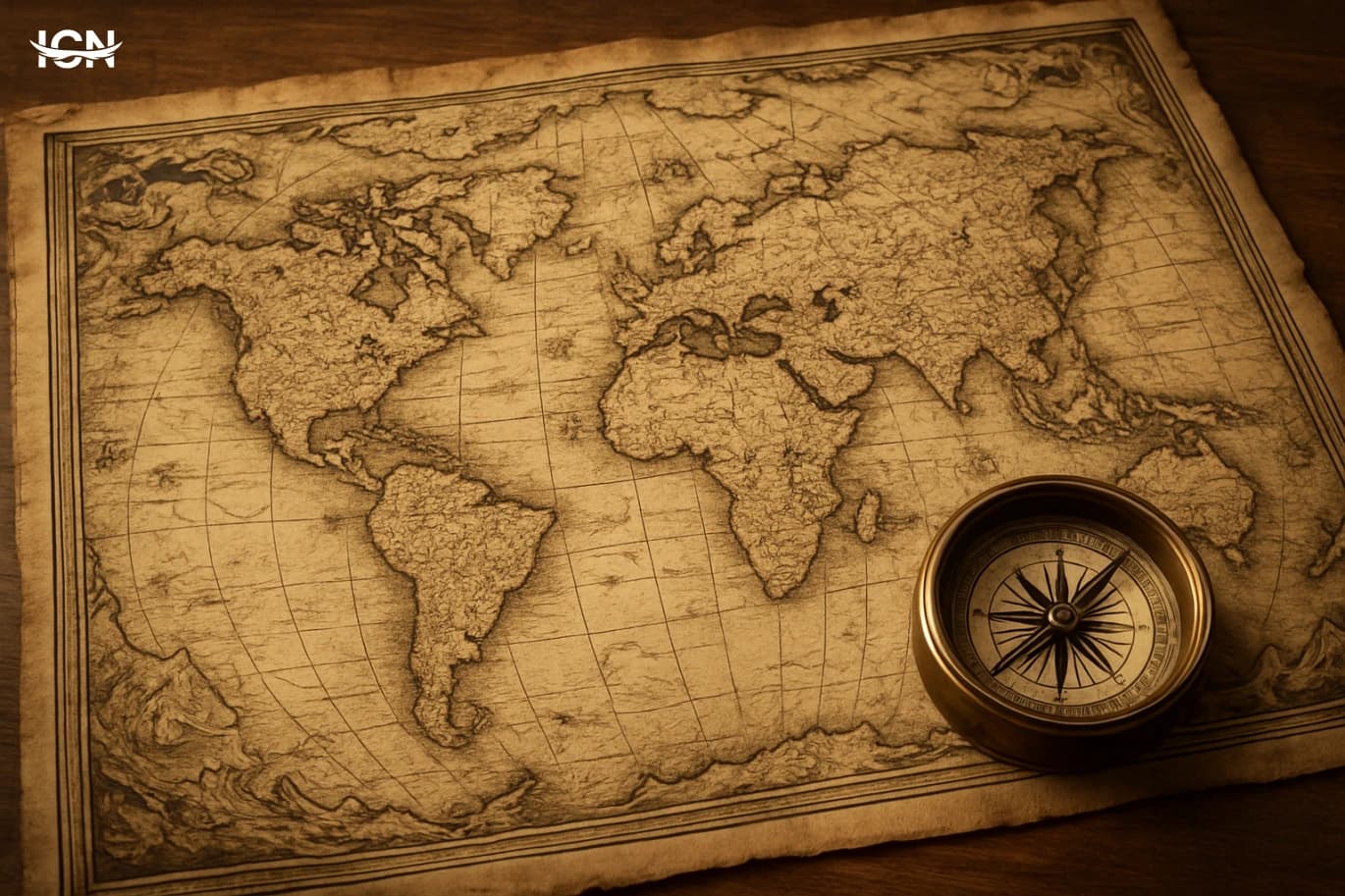
The history of Akkadian civilization is considered one of the first civilizations in the world, as it appeared in Mesopotamia about 2334 BC. It was established by King Sargon Al -Akdi, who brought together the Sumerian cities under one rule, which led to the development of culture and economy in the region. This civilization continued until about 2154 BC, leaving behind important cultural and linguistic implications. Geography and the Akkadian compass were known for the diversity of its terrain between fertile plains and rugged mountains. The Akkadiya cities were a center for trade, as rivers contributed to the promotion of commercial movement. The Akkadian civilization created a compass system to facilitate navigation, which helped expand their trade and increase contact with other cultures.
Akkadian policy
The system of government in the Akkadian civilization created the Akkadian civilization a strong central system of government represented in the king who possesses full power. The king was considered a representative of the gods on the ground, which strengthened his political and religious position. Kings had the ability to issue laws and define public policies, which helped in establishing order and security within the Akkadian lands. The ruling culture and political alliances were characterized by the Akkadian policy by establishing alliances with other cities, as these federations strengthen military and economic power. Also, the Akkadian culture included the development of science and arts, which supported political domination by strengthening the Akkadian identity and creating unity between different cities.
Economy in Akkadian civilization
The agricultural and trade system The Akkadian economy relied mainly on agriculture, as fertile lands were on the banks of the Tigris and Euphrates rivers provided the necessary resources. In addition, Al -Adeen has developed a strong commercial network linking them to neighboring cities, which contributed to the exchange of goods and cultures. Building and Akkadian industry techniques are distinguished by the two stable techniques in construction and industry, as they used mud bricks to construct temples and palaces, which helped to enhance the strength of their cities. The Akkadian industry also developed skills in handicrafts, which contributed to the upgrading of the economic level and the provision of job opportunities for the population.
Religion and belief in Akkadian civilization
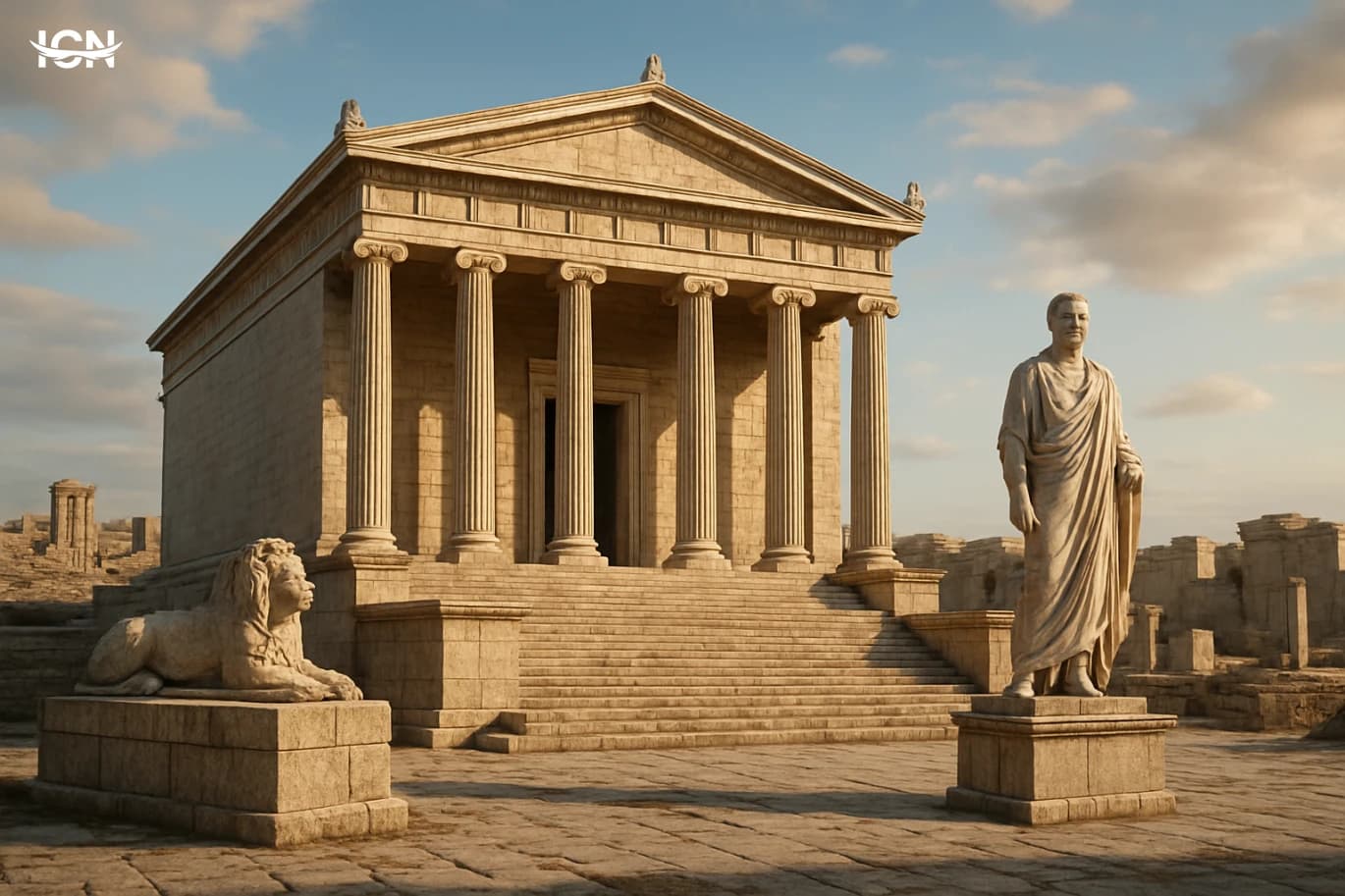
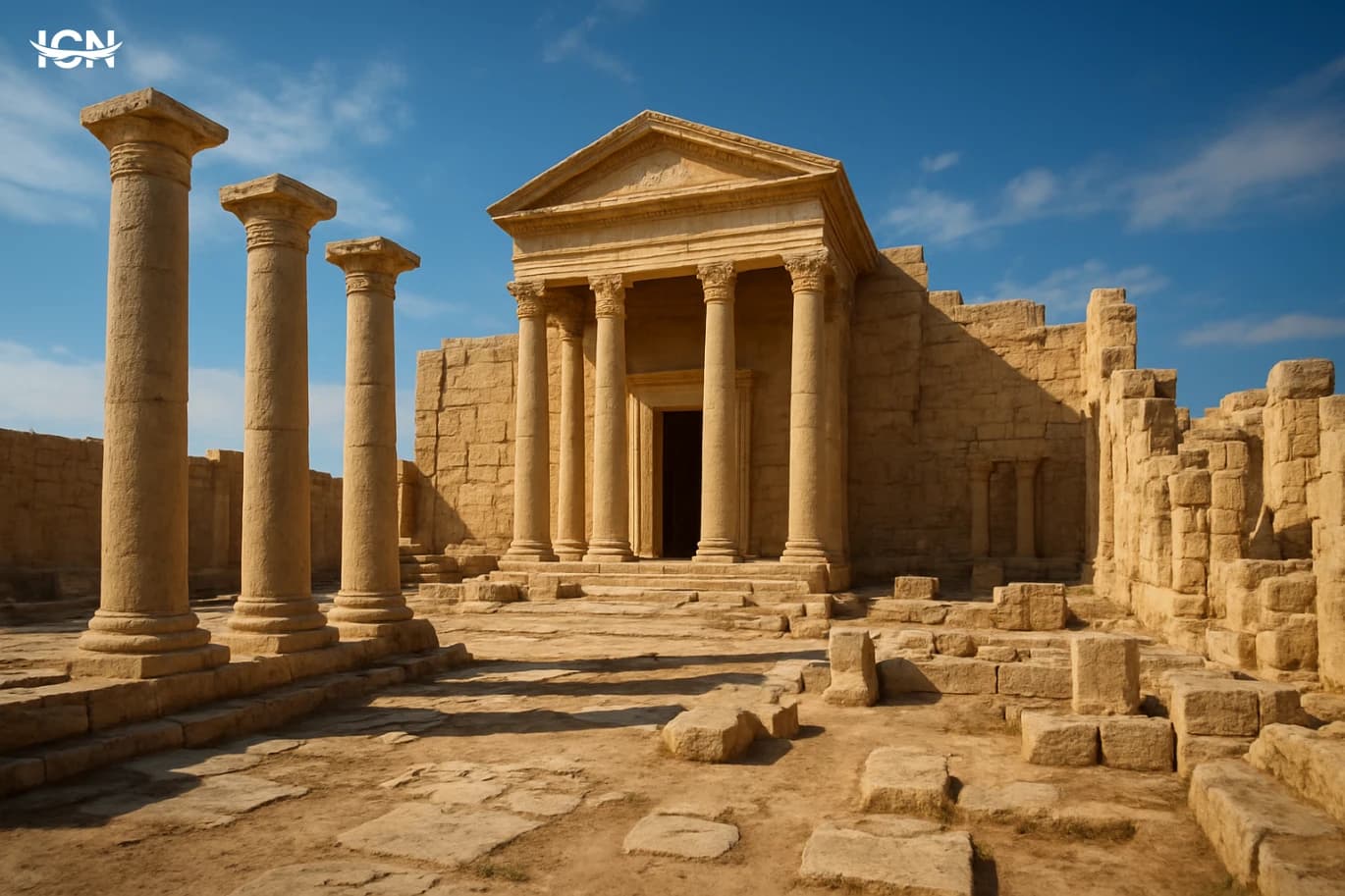
The Akkadian gods and temples had a rich religious system that includes a group of deities who considered them influential in their daily lives. The large temples were established in cities to be the centers of worship, which reflects the importance of religion in the Akkadian society. Religious practices and ritual rituals practiced a variety of religious rituals to celebrate their gods, such as offering offerings and prayer. The celebrations of special occasions were an essential part of their lives, as society gathered and enhances social ties. These practices helped to maintain cultural identity and enhance the feeling of belonging to Al -Akkarin.
Akkadian arts and literature
Literature and poetry in Akkadian civilization had a prominent role in their culture, as they were distinguished by their unique hair and prose. The Akkadian epic "Gilgamesh" is one of the oldest literary works that affected the subsequent generations. It reflects topics such as friendship, loss, and eternity, which added depth to Akkadian culture. Architecture and sculpture in the Akkadian period were characterized by the Akkadian architecture by the design of temples and castles that reflect the strength and splendor. Akkadin artists used sculptures to decorate temples with the forms of their gods and heroes. These works were their sanctification of nature and gods, and their high artistic skill appears in dealing with stones.