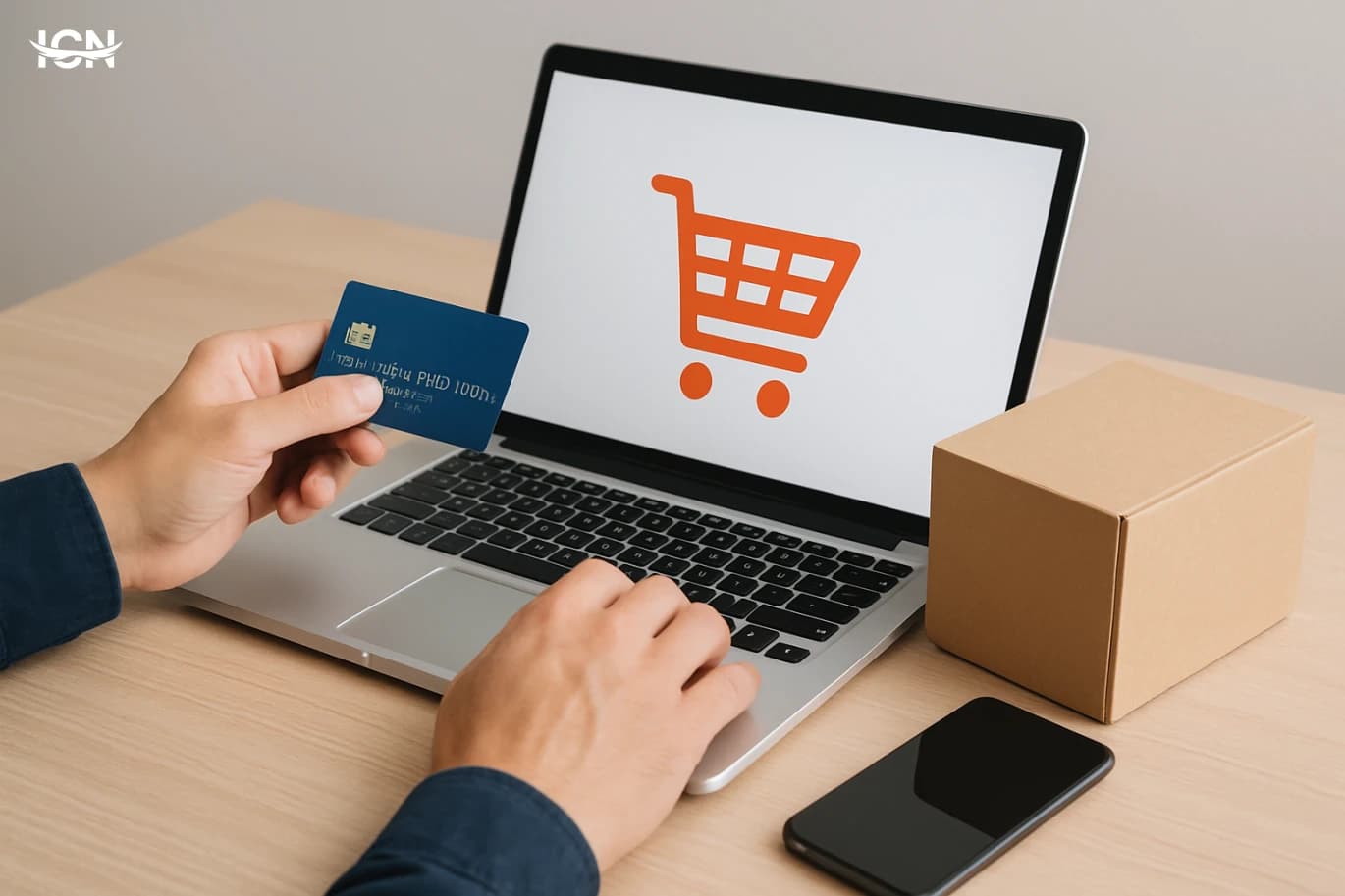
Advantages of e-commerce

- Introduction to e-commerce
- Easy access to the global market
- Wide market coverage
- Low operational costs
- A personalized and easy purchasing experience
Introduction to e-commerce
A. Definition of E-Commerce E-commerce is the process of buying and selling products or services over the Internet. This process involves several aspects including marketing, payment, and shipping, providing consumers and sellers with convenient ways to interact. for. The development of e-commerce over the years E-commerce has witnessed a remarkable development in recent years, as technology has spread and access to the Internet has become easier. From the beginning of the emergence of simple websites, they have evolved into integrated platforms that provide multiple services through smartphone applications. Global events such as the Covid-19 pandemic have also affected the prosperity of this sector, increasing reliance on online purchasing.
Easy access to the global market
A. Global Expansion and Connecting with Customers E-commerce allows companies to reach new markets faster and easier. Smaller brands can start selling in global markets without requiring a large investment, opening the way to connect with a wider audience around the world. for. Reducing geographical restrictions and costs E-commerce helps reduce the operating and infrastructure costs required by traditional businesses. Thanks to the Internet, stores can operate 24 hours a day, allowing customers to shop at any time and from anywhere without geographical restrictions.
Wide market coverage
A. Targeting a Diverse Audience E-commerce gives businesses the ability to target a diverse audience. Stores can attract customers from different cultures and ages, which increases sales opportunities. Diversity in products and marketing can attract new categories of customers, increasing brand loyalty. for. Availability of products and services around the clock. E-commerce allows stores to display their products and services around the clock. This means that customers can visit digital stores at any time, increasing the chances of making a purchase. This also helps companies improve customer experience and increase sales over a longer period without the need for physical employee presence.
Low operational costs
A. Reducing rental and human resource costs E-commerce allows companies to significantly reduce operational costs. In the world of brick-and-mortar commerce, stores require physical offices, which increases rental and human resource costs. While online companies can work from anywhere, which helps save money that would otherwise be spent on rent and salaries. for. Savings on Marketing and Promotion Costs Through digital channels, companies can achieve significant savings on marketing and promotion costs. Social media advertising contributes to reaching a wider audience at lower costs compared to traditional advertising, which increases the effectiveness of marketing campaigns.
A personalized and easy purchasing experience
A. Providing personalized solutions to e-commerce customers allows companies to provide a personalized purchasing experience that precisely meets customer needs. They can use customer data and preferences to provide personalized product recommendations, increasing customer satisfaction and strengthening brand loyalty. for. Simplifying purchasing and payment processes E-commerce technologies facilitate purchasing and payment processes, as consumers can browse, choose products, and make payments easily and conveniently. Multiple payment options and quick checkout technologies also reduce the time taken to complete the transaction, improving the overall customer experience.