App Logo

Download Our App

Shop your way

logologo
Image

Herbs help to get the cycle

03/12/2025By: ICN
Herbs help to get the cycle

the introduction

The concept of menstrual cycle is a series of physical changes that occur in the woman's body periodically. This session usually lasts 28 days, and is considered a natural part of the reproductive life of women. The reasons for the delay in the course There are many possible causes of the delay in the menstrual cycle, including stress, weight changes, some medications, or health disorders such as multi -cysty ovarian syndrome. It is necessary to monitor the menstrual cycle and communicate with a specialist if a frequent delay occurs, because this may be a sign of a health problem that requires attention.

Natural herbs

Pomegranate pomegranate is one of the useful herbs to support women's health. It is rich in antioxidants and vitamins that contribute to the regulation of the menstrual cycle and improve public health. Pomegranate seeds contain properties that promote blood flow, which can help relieve menstrual problems. Ginger ginger has anti -inflammatory properties and can be used to relieve contractions associated with the menstrual cycle. Ginger can be eaten in the form of tea or added to foods to enhance blood circulation and relieve pain. It is an excellent natural option to support women's health during the period periods.

Herbs that enhance the menstrual cycle

Marjoram, oregano is considered one of the herbs that help regulate the menstrual cycle, as it contains calming properties that may help reduce stress and cramps. By drinking marjoram tea, women can benefit from its benefits in supporting hormonal balance. Chrysanthemums also have great benefits for the menstrual cycle, as it is used to relieve pain and cramps. Chrysanthemum tea is a good option to rest during the cycle, thanks to its analgesic and anti -inflammatory properties. The use of these herbs can contribute to improving the health of women during this period.

How to prepare herbs

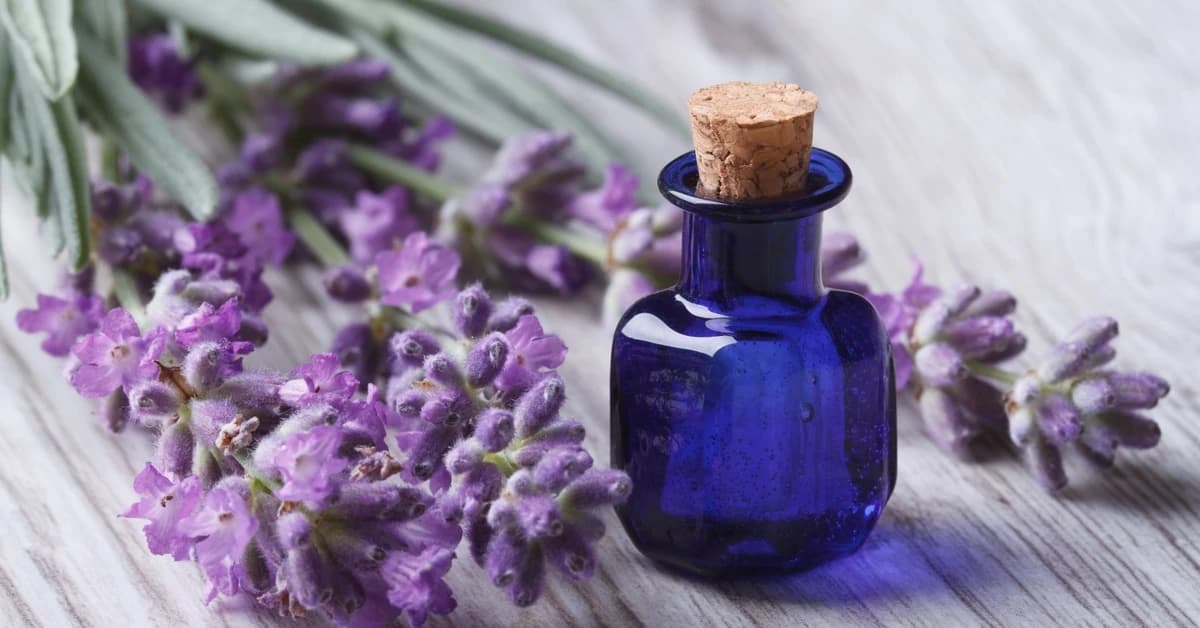
By preparing tea, herbal tea can easily be prepared. This begins to boil water and then add a tablespoon of dried herbs such as marjoram or chrysanthemum. Leave to boil for 5-10 minutes before filtering. Honey or lemon can be added to improve the taste, which makes tea more beneficial and comfortable during the menstrual cycle. Using natural oils can also use natural oils such as lavender oil or mint oil. Several drops of these oils can be mixed with carrier oil such as coconut oil, and gently massage the abdomen to relieve spasms. These methods are effective in supporting the general health of women during this critical period.

Tips for the course to descend properly

Mild exercise The exercise of light exercise such as walking or yoga helps to improve blood circulation, which contributes to a smoother descent. These activities help reduce stress and increase relaxation, which can relax accompanying symptoms. Stay away from stress. Stay away from stress is an important factor in ensuring the course of the cycle naturally. Women must try to organize time and avoid daily pressure as possible. Some techniques such as meditation and deep breathing can help manage stress, which contributes to alleviating the disorders related to the menstrual cycle.
* All articles published on this blog are sourced from various websites and are provided for informational purposes only. They should not be considered as confirmed studies or accurate information. Please verify the information independently before relying on it.

Similar ARTICLES

Safflower for Everyday Health Support
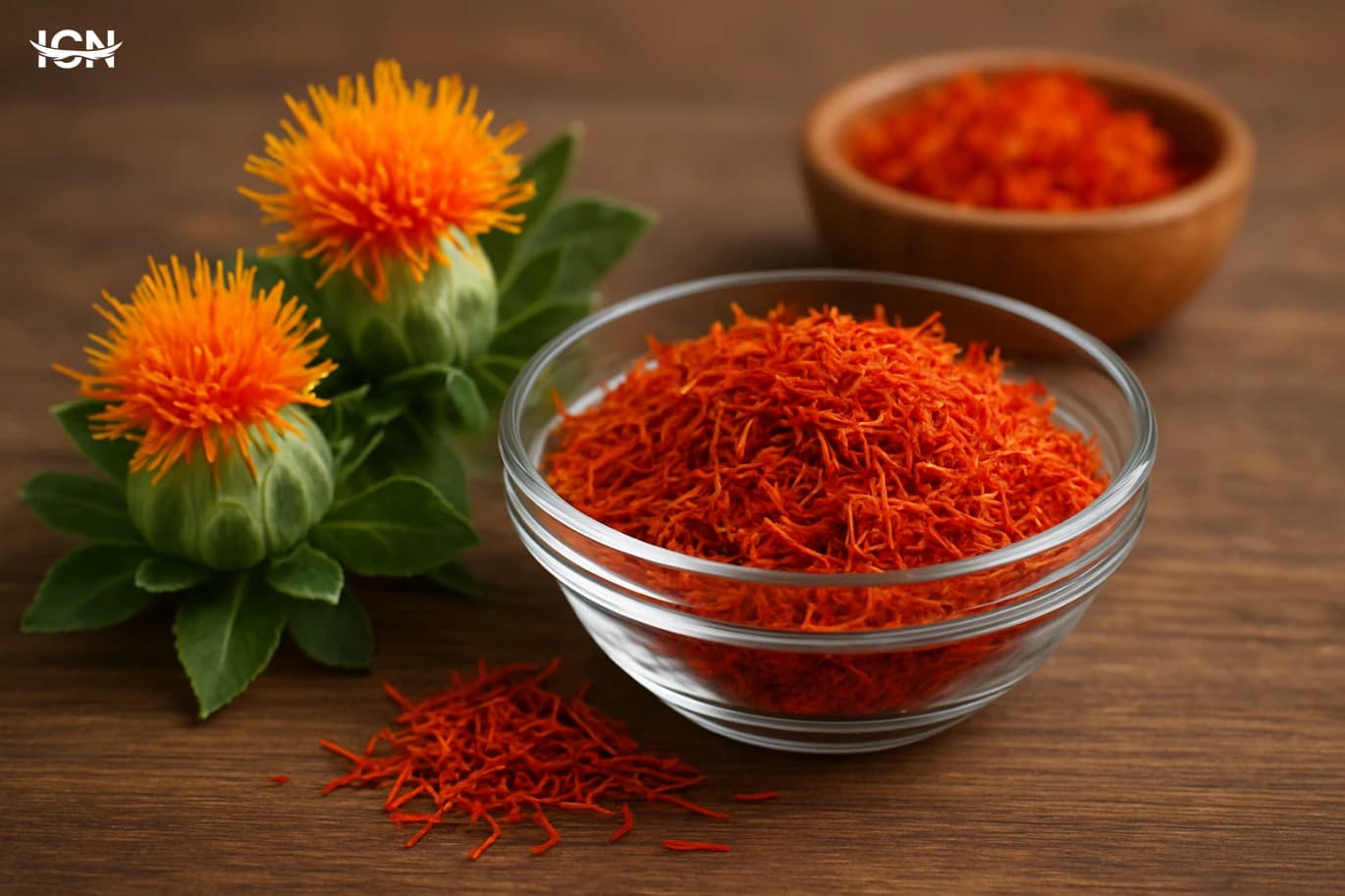
Safflower (Carthamus tinctorius) is a flowering plant traditionally grown for its seeds and, historically, for its natural pigments. In modern kitchens and wellness routines, it appears in two main forms: safflower oil pressed from the seeds, and dried petals used as an herbal infusion or as a mild culinary colorant. The oil is the most common product globally because it is stable, neutral in flavor, and widely used in home cooking and food manufacturing. From a health perspective, safflower is mainly discussed for its fatty acid profile. Depending on the variety and processing, safflower oil can be higher in linoleic acid (an omega-6 polyunsaturated fat) or higher in oleic acid (a monounsaturated fat). This distinction matters because the two types behave differently in the body and in cooking. Labels often indicate “high oleic” or “linoleic,” and choosing between them is a practical first step for anyone using safflower as part of a health-focused diet. The petals, sometimes sold as “safflower tea,” are used in small amounts. They are not the same as culinary saffron, and they do not provide the same aroma or potency. In many households, petals are used for a light infusion, added to rice dishes for color, or blended with other herbs. When people talk about safflower’s health benefits, most evidence and nutritional impact relate to the seed oil rather than the petals.
Growing Culinary Herbs in Small Apartments
Apartment herb gardens succeed because most culinary herbs are compact, fast-growing, and forgiving when harvested regularly. Basil, mint, parsley, chives, thyme, and oregano can thrive in containers on a bright windowsill or under a simple LED grow light. Unlike many vegetables, herbs do not require large root zones to produce usable leaves, and you can harvest small amounts weekly without waiting for a full “crop.” This makes them practical for renters and anyone with limited space. A small indoor setup also gives you control over temperature, watering, and pests. You avoid sudden outdoor heat waves, heavy rain, and soil-borne problems that can ruin tender leaves. With clean pots, fresh potting mix, and a consistent routine, you can produce herbs that are fresher than store-bought bunches and reduce food waste by cutting only what you need for a meal. The key is choosing the right herbs for your light and committing to simple maintenance rather than complex equipment.
Growing Basil for Better Flavor at Home
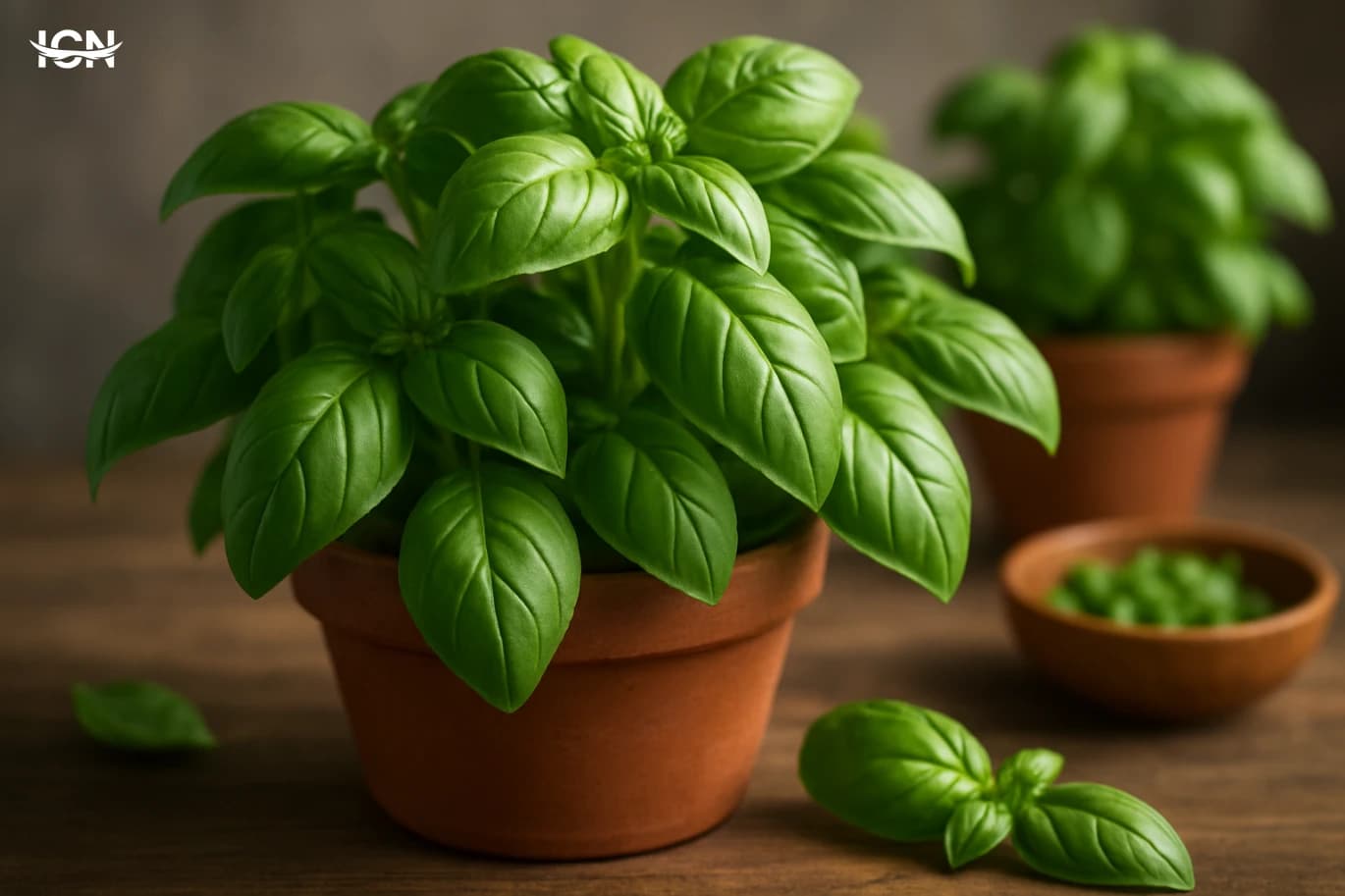
Basil is one of the most rewarding culinary herbs to grow at home because the difference between freshly picked leaves and store-bought bunches is immediate. Fresh basil has brighter aroma, cleaner sweetness, and less of the dull, grassy note that can appear after days in transit and refrigeration. It also grows quickly, so even a small pot can provide regular harvests for salads, pasta, sandwiches, and simple tomato dishes. Home growing also solves common quality issues: supermarket basil is often cut too early, stored too cold, or sold in crowded clamshells that trap moisture and encourage leaf spotting. With a windowsill plant, you control light, watering, and harvest timing. That control is what turns basil from an occasional garnish into a dependable ingredient you can use several times a week without waste.
Building a Reliable Home Herb Pantry
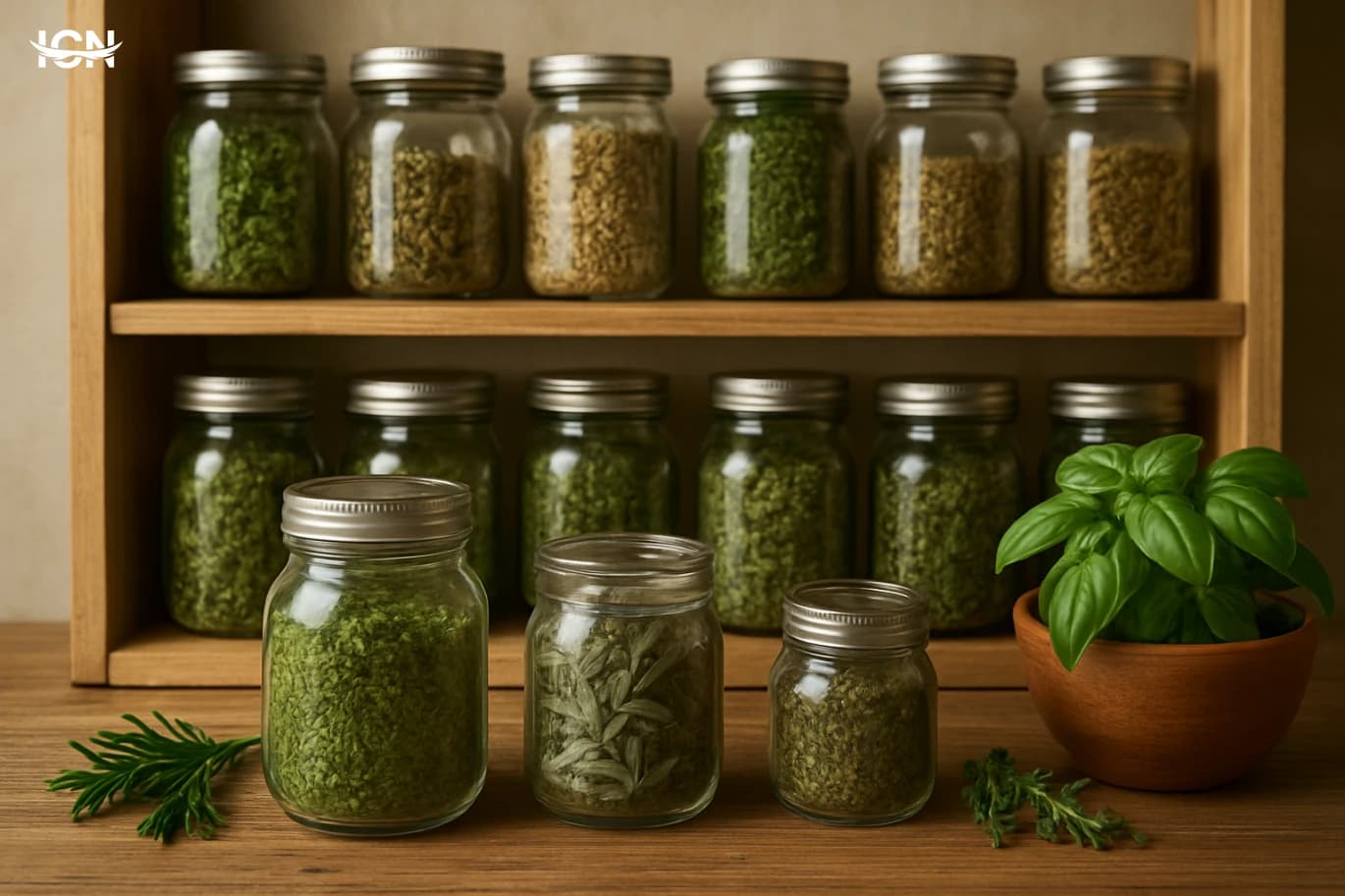
A home herb pantry is not just a shelf of jars; it is a practical system that improves everyday cooking, reduces waste, and makes flavors consistent. Many people buy herbs for a single recipe, then forget them until they lose aroma and become dusty. A reliable pantry solves that by setting a clear plan: which herbs you actually use, how you store them, and how you rotate stock. Herbs also vary widely in strength and shelf life. Dried basil fades faster than dried oregano, while whole seeds like coriander hold their character longer than pre-ground powders. When you treat herbs as ingredients with a “freshness window,” you can make better choices: buy smaller amounts, choose whole forms when possible, and label everything. The result is food that tastes more intentional, whether you are making a simple tomato sauce, a lentil soup, or roasted vegetables. A well-built herb pantry is also a budget tool. Buying one large jar that sits for two years is often more expensive than buying small refills more frequently. It also prevents the common habit of purchasing duplicates because you cannot remember what you already have. With a basic inventory and smart containers, you can keep 15–25 core herbs and spices in good condition without turning your kitchen into a storage room.
Kitchen Herbs That Stay Fresh Longer
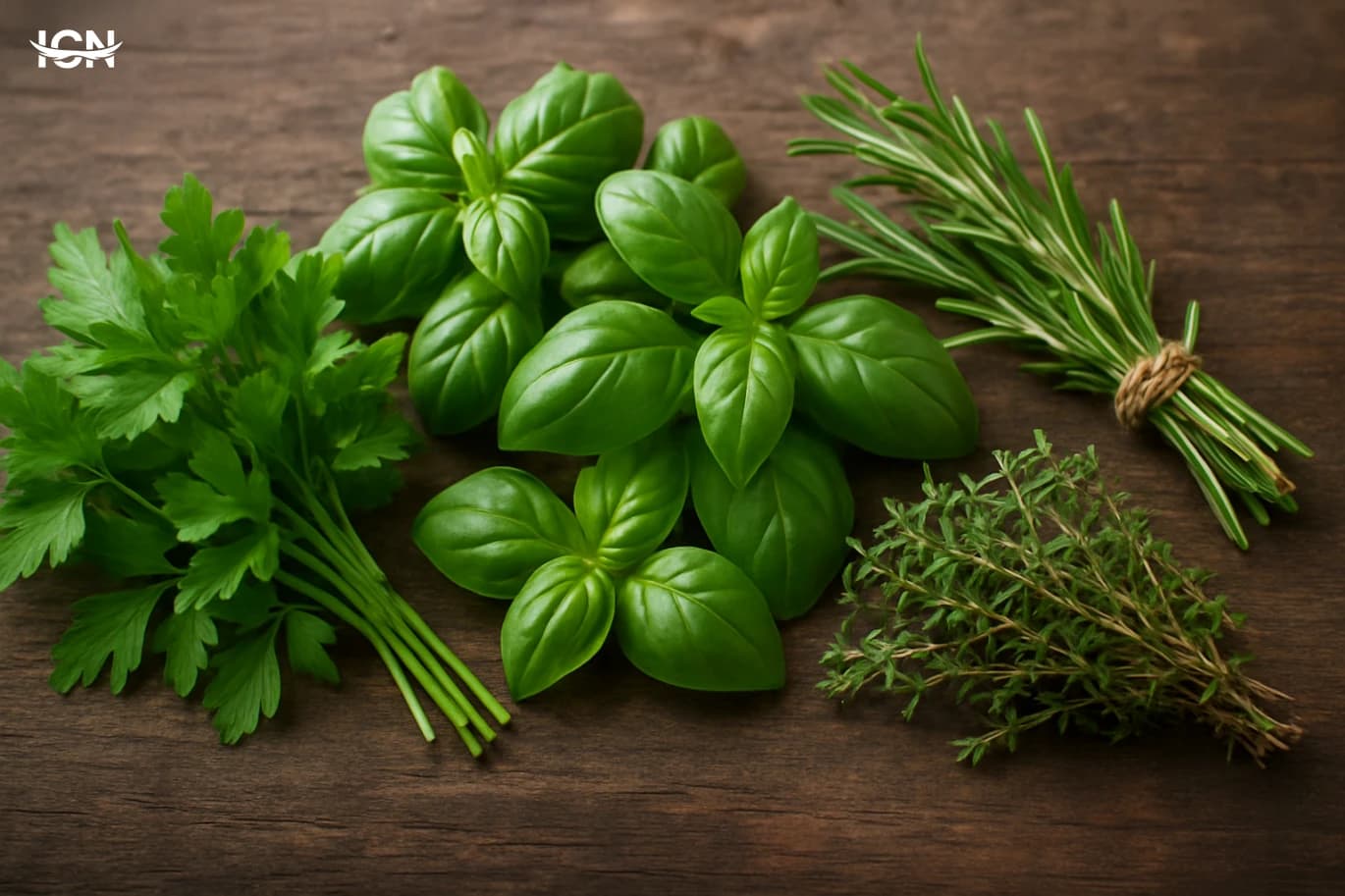
Fresh herbs are mostly water held in delicate leaves and thin stems, which makes them lose quality quickly after harvest. The moment they are cut, they stop receiving moisture from roots, and the leaves start transpiring. Warm kitchens, direct sun on a counter, and dry refrigerator air accelerate that moisture loss, so herbs wilt even when they are still safe to eat. Another common problem is bruising: basil, mint, and cilantro darken where they are crushed, and those damaged spots speed up overall decay. Finally, microbes thrive when herbs are stored wet in a closed bag. Condensation forms, leaves stick together, and slimy patches appear. Understanding these three drivers—dehydration, bruising, and excess surface moisture—helps you choose the right storage method for each herb rather than using one approach for everything.
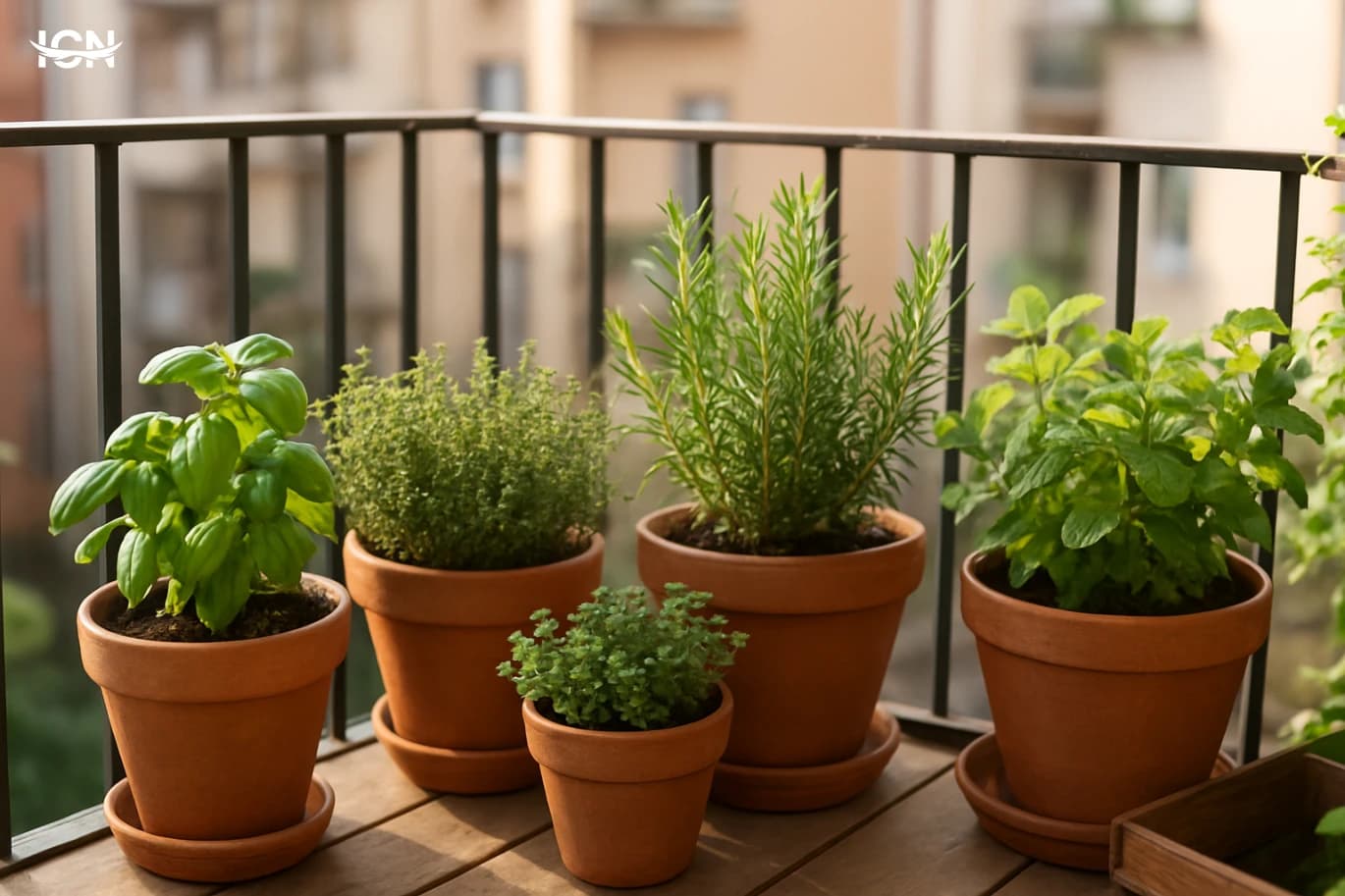
Growing Culinary Herbs on a Small Balcony
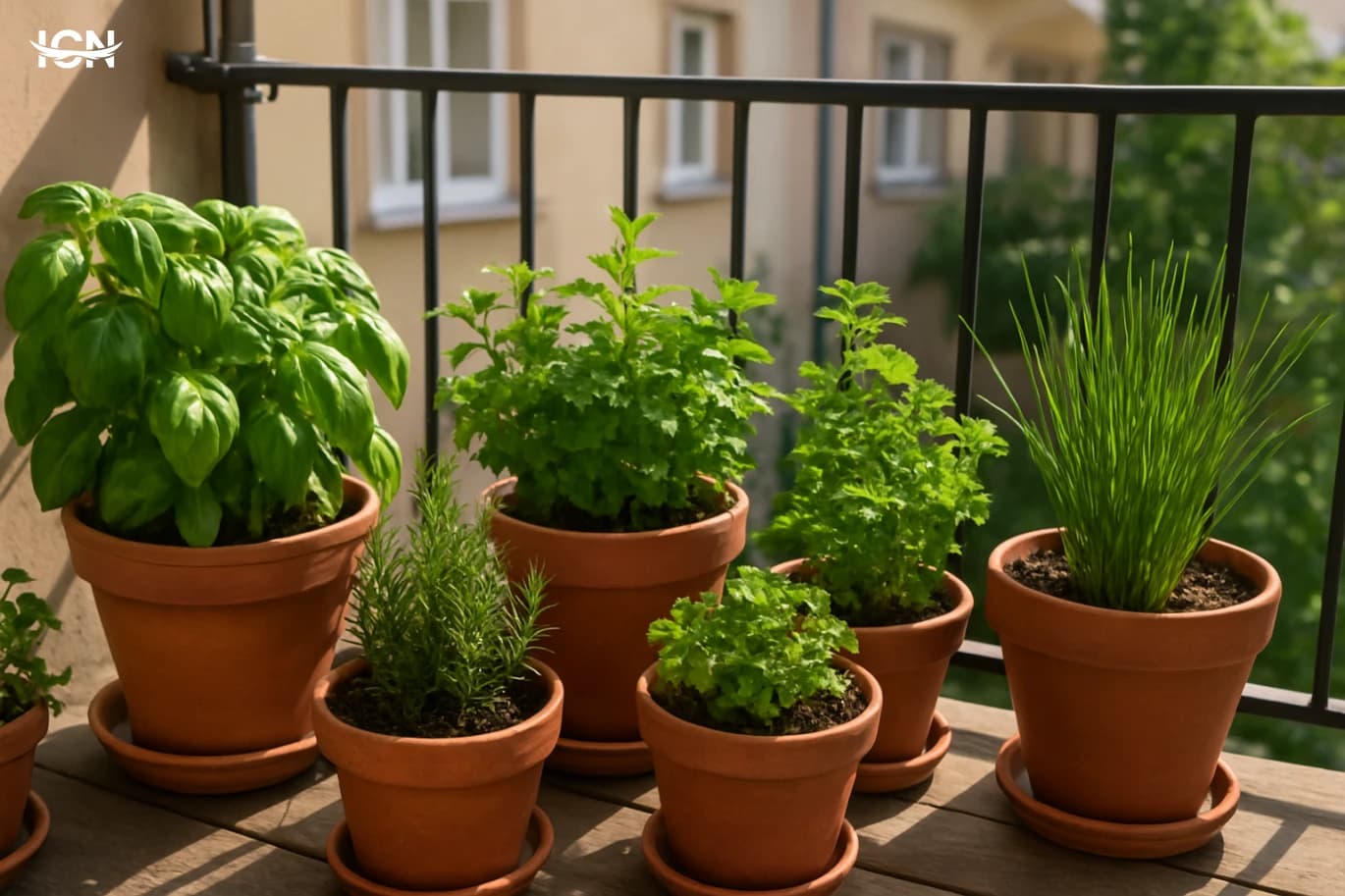
A small balcony can produce a steady supply of fresh herbs that are often expensive or inconsistent in quality at the store. Basil, mint, parsley, chives, thyme, and rosemary can be harvested in small amounts throughout the week, which reduces food waste because you cut only what you need. Freshly picked leaves also keep their aroma better than packaged herbs that may have been stored for days. Balcony growing is practical because herbs generally need less space than vegetables, and many tolerate containers well. With a few pots and a simple watering routine, you can maintain a compact “kitchen garden” that supports everyday cooking: quick pasta sauces, salads, marinades, soups, and tea infusions. The key is choosing the right herbs for your light conditions and using containers and soil that prevent common problems like root rot or stunted growth.
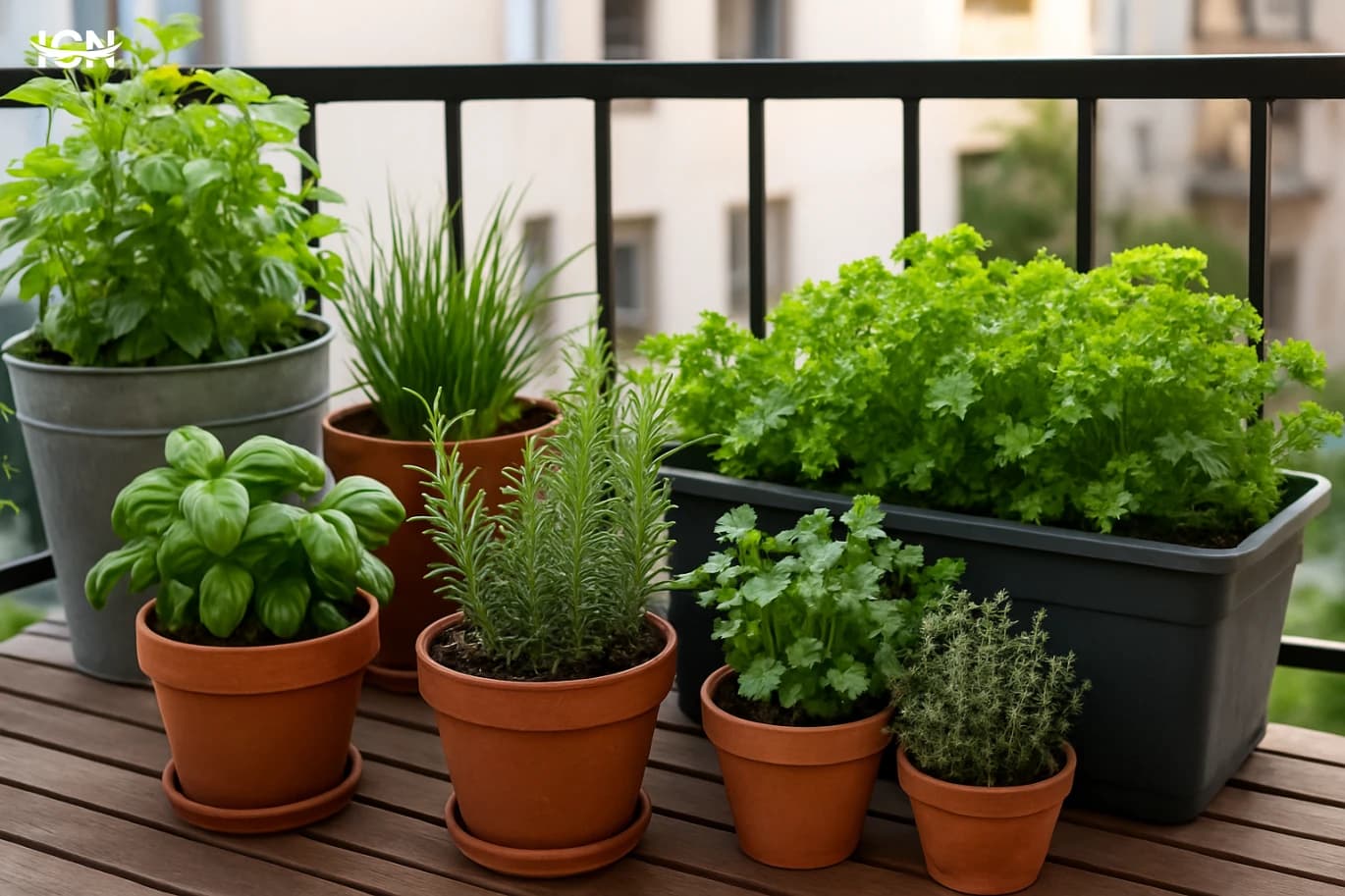
Growing Culinary Herbs on a Small Balcony
Balcony herb gardening succeeds because most kitchen herbs are compact, fast to harvest, and forgiving when grown in containers. Basil, mint, parsley, chives, thyme, rosemary, oregano, and cilantro can all produce usable leaves without needing a large yard. The key advantage is control: containers let you manage soil quality, drainage, and watering more precisely than in-ground beds. This matters for herbs because many prefer well-drained soil and dislike “wet feet,” especially rosemary and thyme. A small balcony also creates microclimates. A wall can reflect heat and extend the growing season, while an overhang can protect plants from heavy rain that can compact soil and encourage root problems. Even partial sun can be enough for several herbs: parsley and chives tolerate less light than basil. With a planned layout, you can harvest fresh flavor daily, reduce food waste by cutting only what you need, and keep herbs cleaner than store-bought bunches that often wilt quickly in the refrigerator.
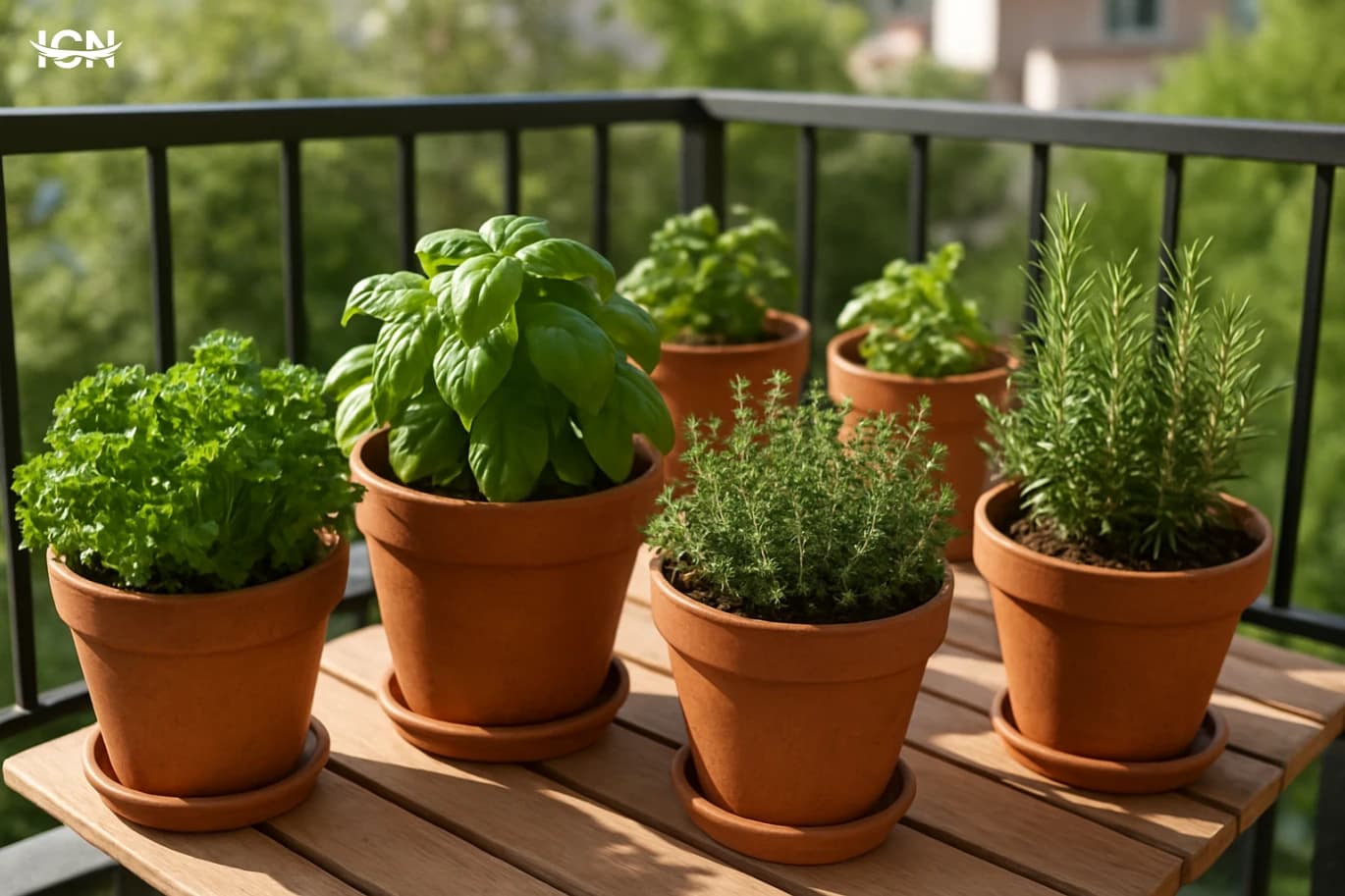
Growing Culinary Herbs on a Sunny Balcony
A balcony can produce a steady supply of culinary herbs because most popular kitchen varieties are compact, fast-growing, and tolerant of container life. Basil, mint, parsley, thyme, rosemary, chives, and oregano can all thrive in pots if they receive enough light and consistent watering. A sunny balcony typically provides 5–8 hours of direct sun, which is ideal for Mediterranean herbs like thyme, oregano, and rosemary, while parsley and chives can handle partial shade. The key advantage of container growing is control: you choose the soil mix, manage drainage, and can move pots to avoid heat spikes or heavy rain. Herbs also respond well to frequent harvesting, which keeps plants bushy and productive rather than tall and woody. For apartment dwellers, a small herb setup reduces grocery trips and food waste because you can cut only what you need. It also improves flavor in everyday cooking, since freshly cut leaves retain aromatic oils that fade quickly after packaging and transport.
Growing Culinary Herbs on a Small Balcony
Fresh herbs are one of the few ingredients that can noticeably change a meal with minimal cost and effort. A small balcony can supply basil for pasta, mint for tea, parsley for salads, and thyme for roasted vegetables, often with better aroma than store-bought bunches that wilt quickly. Balcony growing also reduces waste: you cut what you need and leave the rest alive. For renters or apartment dwellers, herbs are practical because many varieties stay compact, tolerate containers, and can be harvested repeatedly. Even a narrow ledge can hold a few pots, and a simple routine—light, watering, and occasional feeding—can keep plants productive for months. The key is choosing herbs that match your light conditions and learning a few container basics so plants do not become leggy, bitter, or short-lived.
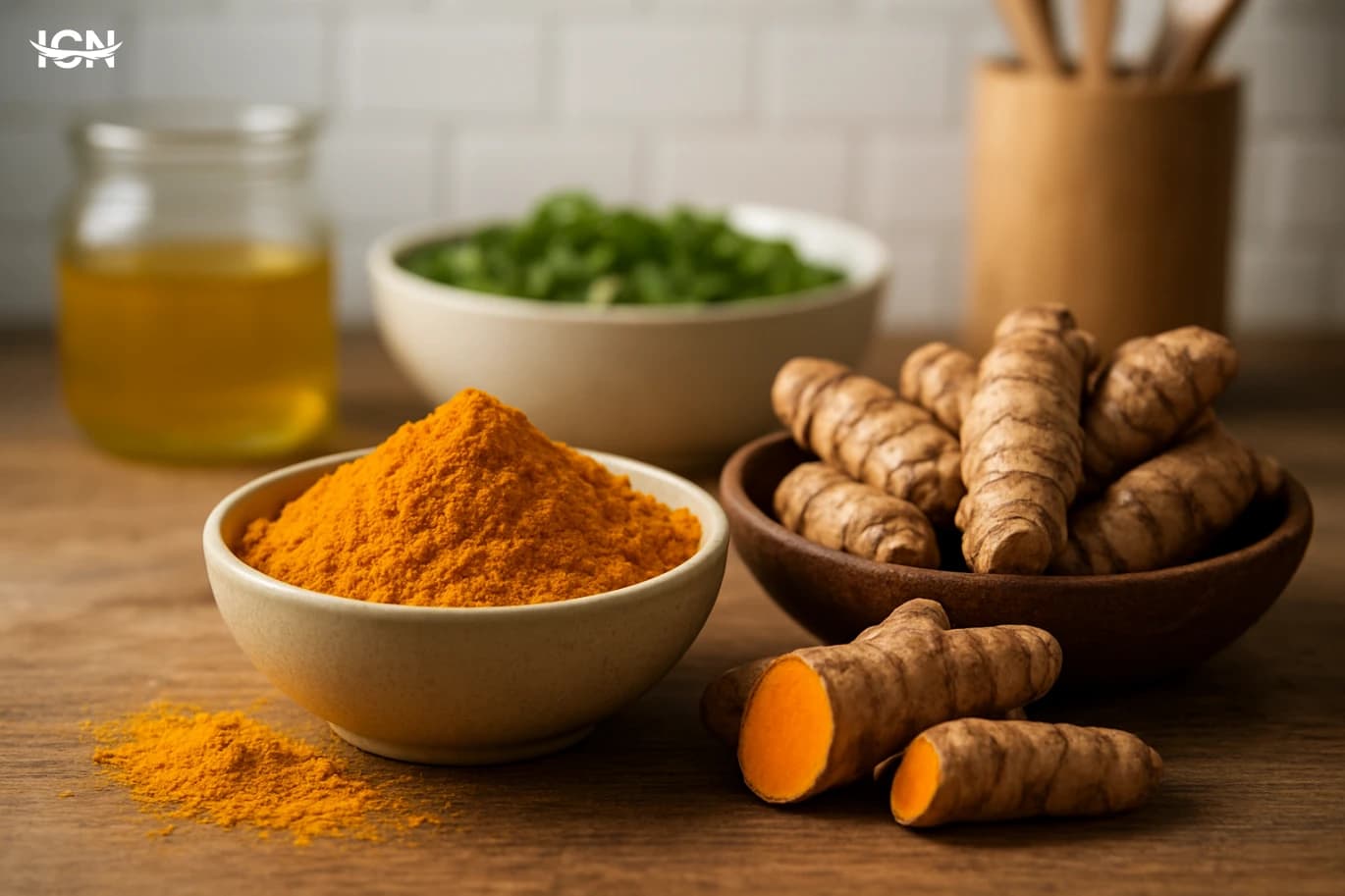
Turmeric in Real Life Kitchens
Turmeric is one of the most widely used herbs and spices in the world, but its value is often reduced to a trend about “golden” drinks. In everyday kitchens, turmeric is primarily a practical ingredient: it adds color, a mild earthy bitterness, and a warm aroma that works in soups, rice, eggs, and roasted vegetables. It is also inexpensive, shelf-stable, and easy to combine with other staples such as garlic, onion, cumin, and black pepper. From a consumer perspective, turmeric matters because it is available in multiple forms—powder, fresh root, and standardized supplements—each with different strengths and limitations. Powder is convenient and consistent for cooking, fresh root offers a brighter flavor but spoils faster, and supplements vary widely in quality and dosing. Understanding these differences helps people use turmeric for what it reliably does in food, while staying realistic about health claims and avoiding unnecessary spending.
Saffron for bright skin
A. The importance of saffron in natural cosmetics is saffron is a prominent natural material in the world of beauty thanks to its unique properties. Since ancient times, it is used as a major skin care component, as it is characterized by its ability to improve the appearance of the skin and give it a natural shine. Not only to beautify the skin, but saffron is also a rich source of antioxidants that help protect the skin from harmful factors. for. Saffron ingredients that enhance the radiance of the skin. Saffron contains a group of vitamins and minerals that contribute to and even unify the skin color. These ingredients help fight the signs of aging, and also enhance the elasticity of the skin. The use of saffron within the skin care routine can reflect positively on the general health of the skin.
By clicking the SUBSCRIBE button, you are agreeing to our Privacy & Cookie Policy If you want to unsubsribe the marketing email, please proceed to our privacy center.
© 2005-2026 ICN. All Rights Reserved.